
Firmicutes
Firmicutes
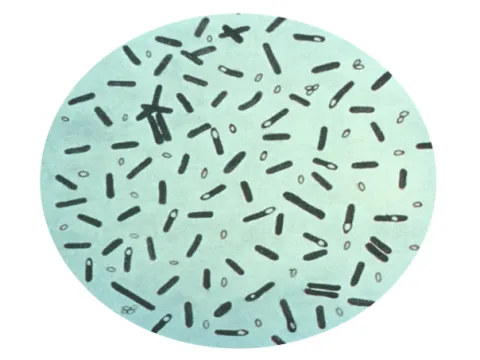
The phylum Firmicutes is a diverse group of Gram-positive bacteria that constitute a significant portion of the soil microbiome. In agronomy, they are not typically classified as a single plant disease, but rather as a broad bacterial taxon that influences plant-soil interactions.
What the section contains
Firmicutes
A defining biological characteristic of Firmicutes is their ability to produce endospores. This strategy allows these bacteria to remain dormant under environmental stress and persist in the field for extended periods until favorable conditions return.
While many species are beneficial decomposers, some are opportunistic pathogens that can associate with plant tissue decay. Their presence in the rhizosphere is essential for nutrient cycling and the maintenance of soil structure.
Scientific studies highlight that the ratio of beneficial to pathogenic strains within the Firmicutes phylum determines the overall plant health in a specific field. A balanced community often acts as a natural barrier against more aggressive soil-borne pathogens.
The metabolic activity of Firmicutes often involves the secretion of enzymes capable of breaking down complex organic molecules, which is vital for the transformation of crop residues into plant-available nutrients.
The development and activity of Firmicutes are heavily influenced by the availability of organic matter and moisture levels in the soil. High levels of crop residue or organic fertilizers promote a surge in their population.
Optimal environmental conditions for most soil-dwelling Firmicutes include moderate temperatures and good aeration. Poorly drained, waterlogged soils can create specialized environments where certain anaerobic strains flourish at the expense of others.
Soil pH plays a critical role in shaping the microbial community. Most members of this group prefer neutral to slightly alkaline environments, and adjustments in pH can significantly shift the dominant species in the soil.
Modern tillage practices also affect their distribution. Minimal tillage often preserves the natural stratification of microbial populations, whereas conventional deep plowing redistributes these organisms throughout the profile.
Temperature fluctuations drive the switch between active metabolic states and spore formation, which is a major factor in the seasonality of their populations within the root zone.
The pathogenicity of certain Firmicutes occurs primarily when the plant's defense system is compromised. In such instances, these bacteria can invade tissues weakened by environmental stress or insect damage, leading to soft rot and tissue degradation.
Affected plants often show systemic symptoms such as chlorosis, wilting, and stunted growth. The damage to the root architecture interferes with water and nutrient uptake, often resulting in lower yields.
In high-density cropping systems, intense competition between beneficial and harmful Firmicutes can lead to a decline in soil fertility. When harmful strains dominate, they may inhibit seed germination through the release of toxic metabolites.
The long-term impact of an imbalanced microbial population includes a reduction in the bioavailability of essential plant minerals, as pathogenic strains may lock these nutrients into their own biomass.
However, it is vital to remember that the vast majority of Firmicutes are not destructive; they are crucial components of a healthy soil system that supports sustainable crop production.
Effective management begins with improving soil physical properties. Enhancing drainage and avoiding soil compaction are critical to ensuring an aerobic environment that favors beneficial microbial life.
Crop rotation is an essential tool to prevent the build-up of specific pathogenic bacterial strains. By varying the crop types, farmers can disrupt the continuous availability of specific hosts for certain bacteria.
The use of commercial bio-inoculants containing beneficial strains of Bacillus is a proven method for disease suppression. These organisms outcompete harmful bacteria for space and nutrients in the rhizosphere.
Proper residue management is crucial; allowing organic matter to compost correctly before incorporation into the soil prevents sudden outbreaks of unwanted bacterial populations.
- Soil pH testing and management via liming.
- Selection of high-vigor seeds with natural resistance to soft rot.
- Integrated nutrient management to support plant immunity.