
Corynebacteriosis
Corynebacteriaceae
Corynebacteriosis is caused by bacteria belonging to the Corynebacteriaceae family. These Gram-positive, rod-shaped microorganisms are known to be significant plant pathogens capable of infecting a wide range of botanical hosts.
What the section contains
Corynebacteriosis
The pathogen primarily spreads through contaminated seeds, infected plant debris in the soil, and via insect vectors that wound the plant tissue. They can persist in the environment for extended periods.
Once inside the host, the bacteria colonize the xylem vessels, disrupting the translocation of water and essential nutrients throughout the plant body, which leads to systemic failure.
These bacteria have evolved various mechanisms to survive under diverse environmental conditions, making them resilient to basic sanitation methods if applied inconsistently.
Pathogenic strains often exhibit high host specificity but can occasionally jump between related crop species, which complicates disease management strategies in polyculture farming systems.
The most common initial symptom is the wilting of leaves or shoots, which often manifests during the hottest part of the day while the plant may appear to recover at night.
Stems and petioles frequently show dark, water-soaked, or depressed lesions that eventually develop into necrotic cankers. These areas can sometimes ooze bacterial exudate under high humidity.
When the stem is cross-sectioned, a visible browning or blackening of the vascular bundles is observed. This is a definitive diagnostic sign of vascular infection by the bacteria.
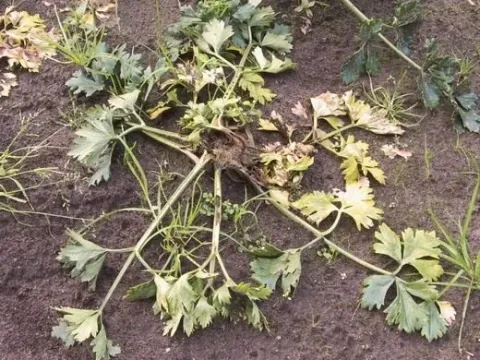
Foliage undergoes chlorosis (yellowing), starting from the margins and progressing inward, followed by necrosis and drying. The overall vigor of the plant is severely reduced, and stunting is common.
- Wilting of leaves and young shoots.
- Browning or darkening of vascular bundles on stem cross-sections.
- Water-soaked lesions on stems.
- Yellowing and marginal necrosis of leaves.
- Reduced fruit size and quality.
Corynebacteriosis thrives in environments with high relative humidity and moderate to warm temperatures, typically ranging from 20°C to 28°C (68°F to 82°F).
Free moisture on plant surfaces, such as dew or rain, facilitates the movement of bacterial cells, allowing them to enter through stomata or wounds caused by feeding insects.
Poor drainage and excessive irrigation contribute significantly to disease outbreaks, as saturated soil conditions weaken plant roots and increase susceptibility to infection.
Dense planting configurations reduce airflow within the canopy, preventing foliage from drying quickly and creating a microclimate conducive to rapid bacterial multiplication.
Mechanical damage from agricultural tools or high-density pest infestations provides direct entry points for the bacteria to colonize the host tissues efficiently.
The economic impact of corynebacteriosis is substantial due to yield loss and degradation of produce quality. Infected fruits often rot quickly in storage, leading to post-harvest losses.
Systemic infection in young plants usually leads to total mortality, causing significant gaps in crop stands and requiring costly replanting efforts.
The presence of the pathogen in the soil forces farmers to alter long-term crop rotation plans, often preventing the cultivation of high-value susceptible crops on infested land.
Plant metabolism is severely disrupted as the bacteria interfere with photosynthesis and transport systems, leading to a decline in crop biomass and overall nutritional value.
Failure to manage the disease promptly can lead to large-scale epidemics, especially in regions with consistent rainfall or humid summer climates, threatening regional food security.
The cornerstone of management is the use of certified, disease-free seed and the cultivation of resistant or tolerant crop varieties specifically bred for bacterial resistance.
Strict sanitation measures, including the removal and destruction of infected plant debris and the disinfection of tools, are essential to prevent the spread of the pathogen.
Implementing a balanced crop rotation program—excluding susceptible crops for a minimum of 3 to 4 years—is highly effective in reducing the soil-borne inoculum.
Integrated pest management (IPM) to control vectors such as aphids and leafhoppers is crucial, as these insects act as efficient transmission agents for the bacteria.
Application of biological control agents and localized protective sprays may provide supplemental defense but must be integrated into a broader prophylactic strategy to be effective.