
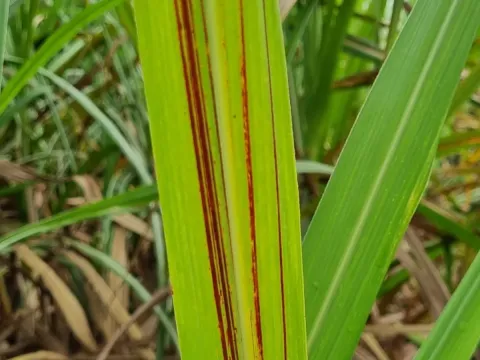
Comamonadaceae
Comamonadaceae
The Comamonadaceae family represents a significant group of gram-negative beta-proteobacteria, many of which are known as serious plant pathogens. These bacteria are characterized by their wide environmental distribution and ability to survive in various habitats, including soil and the plant rhizosphere.
What the section contains
Comamonadaceae
The most notable pathogen within this family is Acidovorax citrulli, which is responsible for bacterial fruit blotch in cucurbits. Other members, including species of Comamonas, can act as secondary invaders that exacerbate the damage caused by other pathogens.
These bacteria possess polar flagella, granting them high motility in films of moisture on leaf surfaces. This motility is critical for their ability to spread rapidly across crops and penetrate plant tissues through natural openings like stomata.
The mechanism of infection involves the secretion of extracellular enzymes that degrade pectin and cellulose, breaking down the plant's structural integrity. This leads to the characteristic maceration of infected tissues.
These pathogens are highly resilient and can persist in soil, plant debris, and within contaminated seed lots. Their ability to survive in unfavorable conditions makes them a persistent threat to agricultural production systems.
Initial symptoms of infection by Comamonadaceae usually appear as small, water-soaked spots. Over time, these lesions expand and may transition to a dark brown or black color, often surrounded by a chlorotic yellow halo.
In fruits, infection typically manifests as soft, decaying areas that can rapidly rot. Under humid conditions, the bacteria may exude from the plant tissue as a creamy, yellowish or translucent bacterial ooze.
Seedling blight is a common symptom in greenhouse environments, where young plants suddenly wilt and collapse due to vascular colonization. The rapid nature of this collapse is a hallmark of severe bacterial infection.
Leaf symptoms often appear as angular lesions restricted by leaf veins. If the disease progresses, these lesions can merge, causing the entire leaf or the whole plant to become necrotic and die.
Root system damage is also documented, appearing as localized rotting or discoloration of the roots, which leads to stunted growth and nutrient uptake deficiencies in the affected crops.
The development of diseases caused by Comamonadaceae is highly dependent on environmental humidity. High levels of moisture, such as frequent rain, fog, or overhead irrigation, create ideal conditions for bacterial multiplication.
The bacteria utilize splashing water to spread from infected debris or soil to healthy leaves. Once on the leaf surface, they exploit moisture films to reach and enter the plant through stomata or mechanical wounds.
Warm temperatures are generally associated with a shorter incubation period for these pathogens. This leads to explosive outbreaks of the disease during the peak growing season in tropical and temperate climates.
Human activity is a major contributor to disease spread. Contaminated tools, clothing, and machinery can easily transfer bacteria between fields or greenhouses if sanitation protocols are neglected.
Poor soil drainage and high-density planting exacerbate the risk of infection by maintaining high local humidity levels around the foliage, which favors the survival and movement of the bacteria.
The primary economic impact of these pathogens is the direct loss of harvestable produce. For fruits, even minor infections render the product unmarketable, leading to significant financial losses for producers.
The destruction of young seedlings in nursery beds often results in the need for complete replanting, which causes delays in production schedules and increases input costs.
Infected plants serve as reservoirs for other diseases. By compromising the plant's defenses, these bacteria invite colonization by secondary pathogens, such as soft rot bacteria or fungi, further damaging the crop.
The presence of Comamonadaceae in seeds can lead to domestic and international phytosanitary trade barriers, limiting a grower's ability to market their products effectively.
Repeated occurrences of these infections over several seasons can force farmers to abandon certain crops or fields entirely, causing long-term shifts in regional agricultural practices.
Effective management begins with the use of clean, pathogen-free seeds. Seed health certification programs and hot water treatments can significantly reduce the initial infection load on a field.
Sanitation is critical. All symptomatic plants should be removed from the field immediately and destroyed to eliminate the primary source of inoculum for healthy neighboring plants.
Crop rotation remains a fundamental practice; planting non-host crops for at least 3 years helps deplete the population of these bacteria in the soil environment.
Copper-based bactericides may provide some protective benefits, but they must be applied preventively. They are generally ineffective once the bacteria have deeply colonized the plant tissue.
Managing the microclimate through proper irrigation techniques, such as drip irrigation instead of overhead systems, helps minimize the leaf wetness that is necessary for the bacteria to spread.