
Sporidesmium sclerotivorum
Sporidesmium sclerotivorum
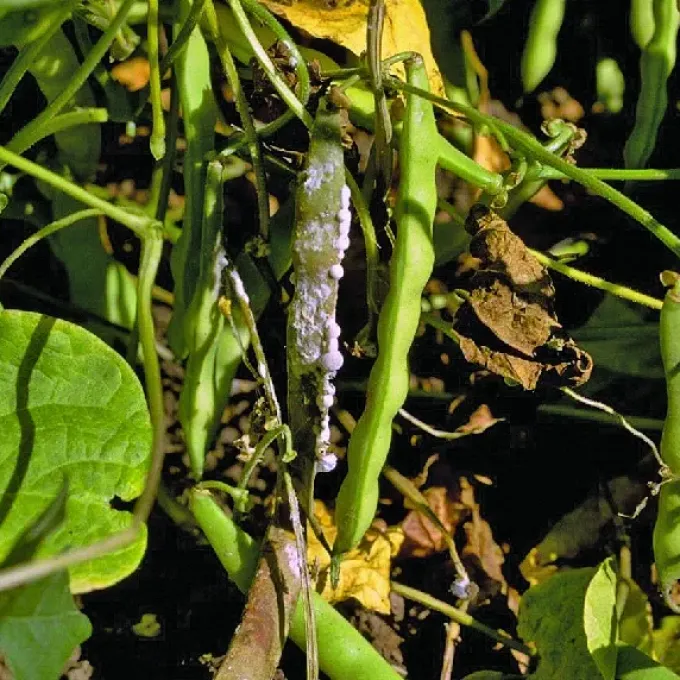
Description
Pathogen
Sporidesmium sclerotivorum is a specialized mycoparasitic fungus that plays a crucial role in soil ecology. It is not a plant pathogen; instead, it is a beneficial organism that targets the survival structures of phytopathogenic fungi.
The fungus is primarily known for its ability to parasitize sclerotia—the hard, resting structures of species belonging to the Sclerotinia, Sclerotium, and Botrytis genera. By attacking these structures, it prevents the development of diseases.
Once it encounters a sclerotium in the soil, Sporidesmium sclerotivorum penetrates the outer rind and begins to colonize the internal tissue. This process ultimately leads to the decay and death of the sclerotium, effectively reducing the inoculum load in the field.
This biological agent is highly valued in sustainable agriculture and integrated pest management (IPM) programs as a natural alternative to chemical soil treatments.
Its lifecycle is strictly dependent on the presence of susceptible host sclerotia, which act as the primary nutritional source for its growth and reproduction in the soil environment.
Conditions for development
The efficacy of Sporidesmium sclerotivorum is heavily influenced by soil moisture levels. High humidity is essential for the germination of its spores and the subsequent colonization of the host's sclerotia.
Temperature significantly impacts the metabolic rate of the fungus. It thrives in moderate soil temperatures, typically ranging from 15°C to 25°C, while extreme heat or freezing conditions can limit its activity.
Good soil aeration is also a prerequisite for its development. Compacted or waterlogged soils may inhibit the growth of the fungus, thereby reducing its ability to reach and infect sclerotia efficiently.
The presence of organic matter in the soil provides a suitable physical and chemical environment that supports the survival and proliferation of the fungal population over extended periods.
Soil pH plays a role in the competitive ability of Sporidesmium sclerotivorum. Most research indicates that neutral to slightly acidic soil conditions are ideal for its parasitic activity and rapid colonization.
Why it matters
It is crucial to clarify that Sporidesmium sclerotivorum does not cause any harm to crops, humans, or animals. It is a completely harmless and beneficial inhabitant of healthy soil systems.
The only potential "harm" associated with this organism is the risk of its absence or low population density in agricultural soils, which allows pathogenic fungi to proliferate unchecked.
When this mycoparasite is absent, sclerotia can remain viable in the soil for several years, leading to severe outbreaks of diseases like white mold in susceptible crops such as lettuce, beans, and canola.
Therefore, the lack of this fungus contributes to increased economic losses due to higher disease pressure, making it a vital component for long-term field sanitation.
The organism is sensitive to certain broad-spectrum chemical fungicides. Therefore, improper soil management practices can inadvertently harm this beneficial fungus, hindering its natural control capabilities.
Protection
Controlling soilborne diseases with Sporidesmium sclerotivorum involves the strategic application of bio-fungicides formulated with its spores to suppress the germination of host sclerotia.
Agronomic practices that promote a healthy soil microbiome are essential. This includes the use of compost, green manure, and maintaining optimal moisture levels to encourage the natural prevalence of the fungus.
Integrated management plans should minimize the use of non-selective soil fumigants or fungicides that might negatively impact the population of this beneficial mycoparasite.
Monitoring the soil for the presence of sclerotia helps determine when and how to introduce the fungus to maximize its therapeutic effect on the soil ecosystem.
- Application of specialized bio-preparations in the field.
- Preservation of soil moisture to ensure fungal activity.
- Reduction of broad-spectrum chemical soil treatments.
- Strategic crop rotation to manage host availability.
Discussion
No discussions yet — be the first.