
Sclerotinia rot
Sclerotiniaceae
Description
Symptoms
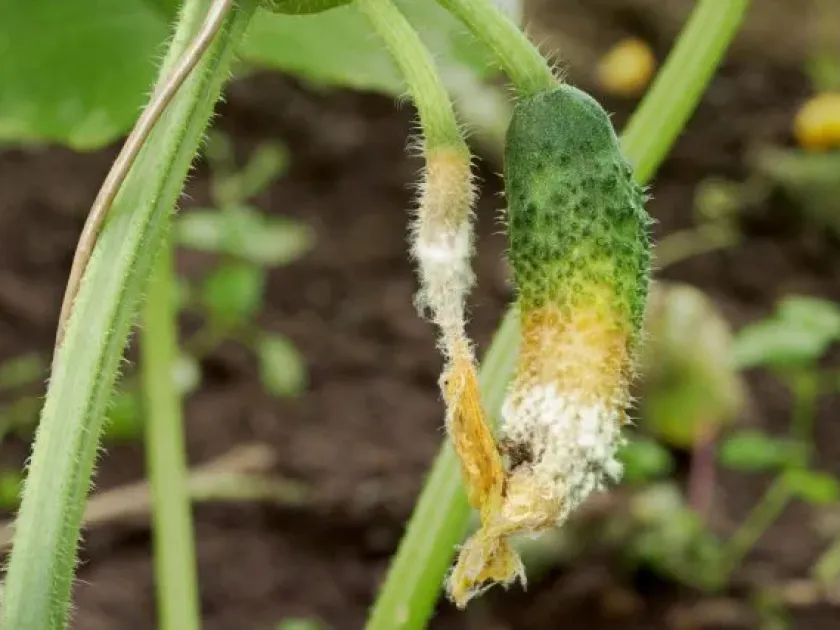
The initial symptom of infection is usually the appearance of watery, soft spots on stems, leaves, or pods, which quickly expand in size.
A thick, white, cotton-like mycelial growth becomes visible on the surface of the infected tissue, which is a classic diagnostic sign of the disease.
As the infection progresses, the tissues turn necrotic and bleach in color, often leading to sudden wilting and death of the plant parts above the infection site.
Hard, black sclerotia develop inside the stems or on the surface of decaying tissue as the plant dies, serving as the primary source for future infections.
When environmental conditions remain humid, the infection can spread rapidly through a crop canopy, creating patches of collapsed and rotting plants.
Pathogen
The disease is caused by fungi of the genus Sclerotinia, primarily Sclerotinia sclerotiorum. This pathogen is known as a necrotrophic parasite capable of infecting hundreds of plant species.
It survives in the soil and on plant debris by forming sclerotia — hard, black survival structures that can remain viable for many years under varying conditions.
The life cycle involves both mycelial infection from the soil and ascospore infection via wind-borne spores produced by apothecia during the flowering stage.
The fungus produces a variety of cell-wall-degrading enzymes that break down plant tissues, causing them to collapse and leading to soft, watery decay.
Common hosts include major crops such as sunflower, rapeseed, soybean, dry beans, and a wide variety of vegetable and ornamental crops.
Conditions for development
Development of the disease is highly favored by cool to moderate temperatures (15-25°C) and extended periods of high humidity or rainfall.
Dense plant canopies that restrict airflow and maintain a moist microclimate are highly conducive to the rapid spread of the fungus.
Frequent rainfall during the flowering stage of the host crop is critical, as it triggers the production of apothecia and the release of ascospores.
Soils with high organic matter and a history of previous infections harbor high populations of sclerotia, increasing the likelihood of early-season outbreaks.
Mechanical injury to plants from farm equipment or insect feeding provides entry points for the pathogen, accelerating the infection process.
Why it matters
The primary economic impact is a significant yield reduction due to plant death, pod shattering, and the production of shriveled, low-quality seeds.
Contaminated harvests often contain sclerotia, which reduces the market value and makes the produce unsuitable for long-term storage or processing.
In stored vegetables, the fungus can quickly spread from infected items to healthy ones, leading to massive losses in warehouses and transit.
Management costs are significantly increased due to the need for preventative fungicide applications and the implementation of restrictive crop rotations.
The persistent nature of sclerotia in the soil means that the disease remains a long-term threat to the productivity of infested agricultural fields.
Protection
Long-term control relies heavily on crop rotation with non-host crops (such as cereals) for at least 3 to 5 years to reduce soil inoculum levels.
Deep plowing can help bury sclerotia to depths where they are less likely to produce apothecia, though this practice varies by tillage system.
Fungicide application during the early flowering phase is a standard practice for protecting high-value crops like rapeseed and sunflower from ascospore infection.
Choosing resistant or tolerant varieties is an essential component of integrated pest management to minimize the impact of the disease.
- Managing weed populations that may act as alternative hosts.
- Adjusting plant density to improve canopy aeration.
- Utilizing certified, disease-free seed lots for planting.
Discussion
No discussions yet — be the first.