
Protostelium
Protostelium
Description
Pathogen
Protostelium is a genus of simple slime molds (myxomycetes) belonging to the Protosteliales group. These organisms are common soil dwellers that typically exist in an amoeboid form within the rhizosphere.
They are not true fungal pathogens in the traditional sense, but under favorable moisture conditions, they can colonize the surfaces of seedlings and roots, acting as opportunistic entities.
The life cycle involves a transition from a motile amoebic phase to a fruiting body stage, where they produce microscopic spores capable of surviving in the soil for extended periods.
Unlike parasitic fungi, Protostelium primarily feeds on bacteria and decaying organic matter in the immediate vicinity of plant roots rather than actively invading host plant tissues.
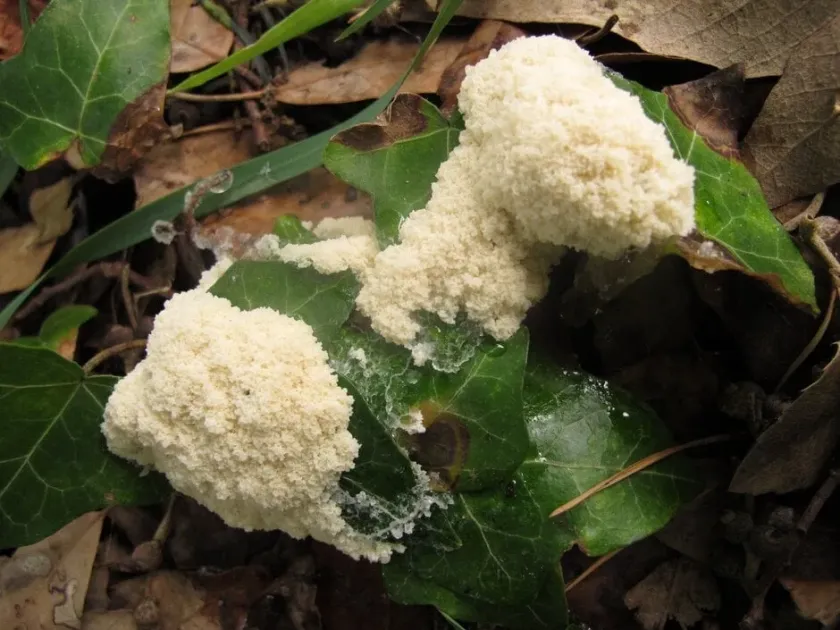
Their presence is often detected when they form visible fruiting bodies on the stems or soil surface, which can be mistaken for powdery mildew or other fungal infections.
Conditions for development
The development of Protostelium is heavily dependent on excessive soil moisture and high relative humidity. Poor drainage is the primary driver of their increased activity.
Optimal temperatures for their life cycle range between 18°C and 25°C. In these conditions, the organism can rapidly transition into the reproductive stage.
High levels of undecomposed organic matter in the substrate provide a constant nutrient source, allowing populations to expand significantly in the soil profile.
Lack of proper aeration in greenhouses or container gardening creates a microclimate where the moisture levels remain high enough to sustain these organisms.
Neutral pH levels in the soil are generally preferred, while significant deviations in acidity can sometimes inhibit their metabolic processes.
Why it matters
The main harm associated with Protostelium is the physiological suppression of young seedlings. Their presence can create a physical barrier on the stem or roots, affecting respiration.
While they rarely cause severe necrosis directly, they can facilitate the development of secondary bacterial infections by maintaining a moist, conducive environment on the plant surface.
In nursery production, the visible fruiting bodies on seedlings reduce the quality of the plants, making them unsuitable for market due to their damaged appearance.
Heavy colonization around the root zone can impair nutrient uptake, leading to visible stunting and poor development in sensitive vegetable and flower crops.
In extreme cases, the stress caused by the organisms in combination with waterlogging leads to the damping-off of seedlings, causing economic losses for the farmer.
Protection
Managing soil moisture is the most effective way to prevent the proliferation of Protostelium. Ensuring adequate field drainage is essential for long-term control.
Implementing proper sanitation practices, such as removing all crop residues from the growing area, helps eliminate the substrate required for their reproduction.
In protected cultivation environments, maintaining low humidity and improving air circulation around the plants significantly reduces the chances of colonization.
Since these are not pathogenic fungi, traditional fungicides are often ineffective and unnecessary. Management should focus on cultural practices and preventing conditions favorable to slime molds.
- Improve drainage systems to prevent waterlogging.
- Avoid excessive watering of seedlings.
- Practice crop rotation to manage soil organic content.
- Maintain optimal air circulation in greenhouses.
Discussion
No discussions yet — be the first.