
Protostelia
Protostelia
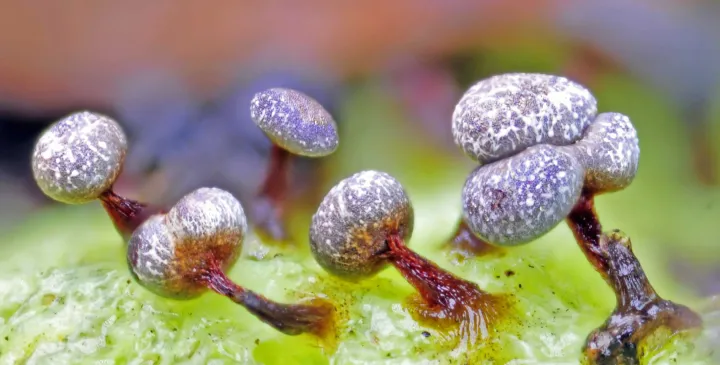
Description
Symptoms
The appearance of microscopic, hair-like, or stalked fruiting bodies on the surfaces of infected plants is the primary visual symptom.
Tissues affected by the presence of these slime molds often show early signs of necrosis, softening, and discoloration.
In many cases, the infection is so subtle that it requires high magnification or laboratory analysis to confirm the presence of the pathogen.
Infested areas are often characterized by a slimy texture when moisture levels are high, which inhibits proper plant development.
The spread of the pathogen is often associated with the edges of wounds or areas where the plant cuticle has been compromised.
Pathogen
Protostelia (genus Protostelia) belongs to a group of organisms known as slime molds, specifically within the class Myxomycetes.
These organisms are primarily saprotrophic, though they can act as opportunistic pathogens on weakened or decaying plant tissues under specific conditions.
The life cycle involves an amoeboid stage where the organism consumes organic particles, followed by the formation of microscopic fruiting bodies.
Spore production is a key mechanism for the rapid dissemination of the pathogen across agricultural fields through wind and water splashes.
Genetic variability within the genus allows these organisms to adapt quickly to diverse environmental stresses, making them persistent in various soils.
Conditions for development
High relative humidity is the most critical factor for the growth and reproduction of Protostelia species in an agricultural setting.
Stagnant water in the root zone or on the leaf surface provides the necessary environment for the amoeboid movement of the organism.
Temperatures ranging from 15°C to 25°C favor the metabolic activity and spore release cycles of the pathogen.
Dense crop canopies that limit air circulation create microclimates that are highly conducive to the establishment of the disease.
The presence of decomposing plant debris provides a rich nutrient base, supporting the population growth of these slime molds.
Why it matters
The damage caused by Protostelia often involves the acceleration of tissue decay, which weakens the plant's structural integrity.
Seedlings are particularly vulnerable, as the pathogen can interfere with root development and nutrient uptake in the early stages of growth.
The disease can lead to significant economic loss due to decreased plant vigor, resulting in reduced yields and poorer produce quality.
In storage conditions, the presence of these organisms can drastically reduce the shelf life of harvested vegetables and fruits.
By compromising the plant surface, the disease often paves the way for secondary bacterial or fungal infections that are far more lethal.
Protection
Effective management begins with strict sanitation practices, including the removal and destruction of infected plant debris after harvest.
Improving soil drainage and optimizing planting density are essential strategies to reduce the humidity levels that the pathogen prefers.
Adherence to a well-planned crop rotation program helps disrupt the life cycle of the pathogen and prevents its buildup in the soil.
- Ensure adequate ventilation in greenhouses to lower surface humidity.
- Apply systemic fungicides as a preventative measure in high-risk areas.
- Monitor moisture levels closely to avoid overwatering the crops.
Biological soil amendments can help promote a diverse microflora, which creates natural competition that suppresses the growth of Protostelia.
Discussion
No discussions yet — be the first.