
Protostelea
Protostelea
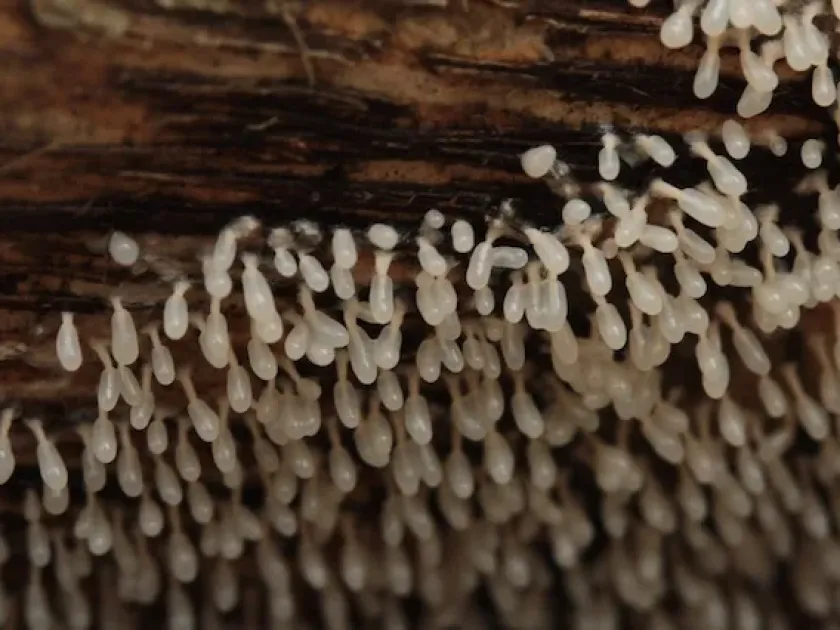
Description
Symptoms
The primary symptom of Protostelea infection is the appearance of a slimy, gelatinous film on leaves, stems, or soil surfaces near the plant. This film can be transparent, white, or greyish in appearance.
Tissues underlying the slimy patch exhibit a loss of turgor, appearing soft and water-soaked. As the infection progresses, these areas develop into irregular necrotic spots, which may expand rapidly under humid conditions.
On close inspection, one may observe minute, grain-like structures or stalked sporocarps on the affected plant surface. These represent the reproductive stage of the organism and are characteristic of their presence.
The plant growth is typically stunted, with leaves showing yellowing or wilting. In the roots, the infestation can lead to surface lesions, which interfere with nutrient uptake and leave the root system vulnerable to secondary rotting agents.
- Slimy, jelly-like coatings on plant surfaces.
- Loss of tissue turgor and water-soaked appearance.
- Development of expanding irregular necrotic lesions.
- Minute sporocarp structures visible with a magnifying glass.
- Stunted growth and chlorosis of foliage.
Pathogen
Protostelea are a group of simple organisms classified within the myxomycetes (slime molds). In an agronomic context, they function as opportunistic pathogens that thrive on the surface of plants, often colonizing tissues that are weakened or subjected to high moisture.
The pathogen utilizes an amoeboid stage during its lifecycle, actively consuming organic matter and microorganisms on the plant surface. Unlike true fungi, they lack a complex mycelial structure, which defines their unique, simple biological strategy.
These organisms reproduce by forming small, often microscopic sporangia directly on the plant epidermis. They release spores that are highly resistant to environmental stress, allowing the pathogen to persist in the soil for extended periods.
Their interaction with plants is primarily external, but as they feed, they release enzymes that digest plant cells. This process damages the protective layers of leaves and stems, facilitating the entry of other opportunistic pathogens.
The biological nature of Protostelea allows them to rapidly adapt to fluctuating environmental conditions, making them challenging to eradicate once they have established a stable population within a field or greenhouse.
Conditions for development
Protostelea thrive under conditions of high relative humidity, often exceeding 80–90%. Stagnant air and water-saturated soil are the most favorable environments for their vegetative growth and reproduction.
Temperature plays a crucial role, with optimal development occurring between +18 and +25 degrees Celsius. These conditions encourage the rapid release of spores and the expansion of the plasmodium stage.
High levels of decaying plant debris provide an ideal substrate for these organisms. Fields with poor drainage or those heavily covered with organic mulch are more susceptible to outbreaks.
Poor ventilation in greenhouse environments leads to localized increases in moisture, creating an ideal microclimate for the pathogen. Once introduced, they spread easily through irrigation water, tools, and wind-dispersed spores.
Acidic soil conditions can further promote the activity of these myxomycetes, while also weakening the overall health of the host plant, making it more susceptible to colonization.
Why it matters
The primary economic impact of Protostelea is the reduction of plant vigor caused by the destruction of the epidermis. This leads to impaired photosynthesis and a general decline in the plant’s productivity and yield potential.
By breaking down the plant's natural protective barriers, these organisms invite secondary infections from aggressive bacterial and fungal pathogens, which often cause much more severe damage to the crop.
Seedlings are particularly vulnerable, and an early infection can lead to widespread damping-off, resulting in significant stand loss. This poses a major threat to nursery operations and greenhouse production.
For root crops, the surface lesions caused by the pathogen significantly reduce market value and create entry points for storage rot, leading to losses during the post-harvest period.
While often seen as a minor nuisance in well-managed systems, their ability to weaken plants makes them a silent contributor to crop failure under sub-optimal growing conditions.
Protection
Effective management begins with improving sanitation in the field or greenhouse. Removing and destroying infected plant debris is essential to reduce the inoculum load for the next growing cycle.
Improving drainage and ensuring proper spacing between plants is critical to managing moisture levels. Proper airflow significantly reduces the humidity required for these organisms to reproduce.
Soil management, including the use of lime to neutralize overly acidic soils, can create an environment less suitable for the pathogen. Strong, healthy plants with optimal fertility are naturally more resistant.
While no targeted chemical controls exist specifically for Protostelea, broad-spectrum fungicides used for other fungal pathogens may offer some suppression. However, preventative cultural practices remain the most effective approach.
Regular monitoring of the greenhouse environment, specifically focusing on humidity control and sanitation of tools, will prevent the widespread dispersal of spores and minimize the risk of serious outbreaks.
Discussion
No discussions yet — be the first.