
Proteobacterial plant diseases
Proteobacteria
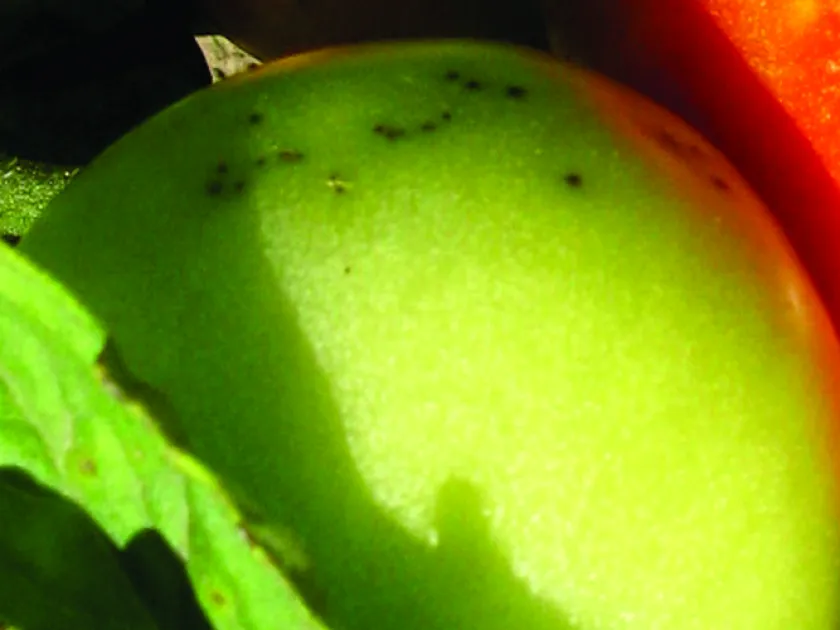
Description
Symptoms
Typical symptoms include water-soaked spots on leaves that eventually turn brown or black, often surrounded by a chlorotic halo (yellowing of the tissue).
Stems and fruits frequently display bacterial ooze — sticky, milky-white or amber droplets which contain high concentrations of bacteria.
Systemic disease is characterized by rapid wilting, which may affect individual branches or the entire plant even when soil moisture is adequate.
Infected fruits and roots often undergo soft rot, resulting in the decomposition of tissues into a mushy mass, accompanied by a foul-smelling odor.
- Darkening of vascular bundles visible on stem cross-sections.
- Deformation of leaves and necrosis of the leaf margins.
- Premature yellowing and leaf drop.
Pathogen
Proteobacteria represent a vast group of Gram-negative phytopathogenic microorganisms, including major genera such as Pseudomonas, Xanthomonas, Ralstonia, and Agrobacterium.
These pathogens invade plant tissues primarily through natural openings like stomata and hydathodes or through mechanical wounds caused by pests or agricultural machinery.
Once inside, the bacteria proliferate rapidly within the intercellular spaces, secreting specific enzymes such as pectinases that break down cell walls and tissue integrity.
A distinctive biological feature of these pathogens is the ability to form complex biofilms, which protect the bacterial colonies from environmental stressors and chemical treatments.
Systemic infection often results in the clogging of the vascular system, which hinders the transport of water and nutrients, leading to rapid wilting and plant collapse.
Conditions for development
Optimal conditions for the development of proteobacterial diseases include high humidity levels (above 80%) and temperatures ranging from 20 to 30 degrees Celsius.
Overhead irrigation acts as a major catalyst for disease spread, as splashing water carries bacteria from infected to healthy plant parts.
Injury caused by insects like aphids or leafhoppers creates ideal entry points for infection and can also facilitate the direct transmission of pathogens.
Monoculture and failure to implement crop rotation result in the accumulation of high inoculum levels in the soil, leading to severe outbreaks in successive seasons.
The presence of weeds within or near the field serves as a reservoir, allowing pathogens to persist during periods when the host crop is not being grown.
Why it matters
The damage caused by proteobacteria is severe, with the potential to destroy up to 80–100% of the harvest under conditions conducive to an epidemic.
Affected produce loses its market value quickly, as bacterial infection leads to rapid degradation and rot, making it unsuitable for storage or long-distance transport.
Infection in seeds leads to poor germination and stand establishment, often necessitating expensive replanting of entire fields.
Weakened plants are significantly more susceptible to secondary fungal and viral pathogens, further complicating disease management and reducing overall yield quality.
Economic losses arise not only from direct crop destruction but also from the high costs of chemical interventions and post-harvest produce rejection.
Protection
The use of resistant cultivars and hybrids is the most effective management strategy to mitigate the impact of proteobacterial pathogens on production fields.
Good agricultural practices, including strict adherence to crop rotation cycles (3–4 years) and the use of certified, disease-free seed material, are fundamental for prevention.
Copper-based bactericides and biological control agents can provide a layer of protection, particularly if applied as a preventative measure before disease symptoms appear.
Strict sanitation measures, such as disinfecting tools, greenhouse equipment, and storage facilities, are essential to prevent the spread of bacteria through human activity.
Comprehensive pest management programs are necessary to reduce insect vectors, thereby closing the primary entry routes for bacterial pathogens into plant tissues.
Discussion
No discussions yet — be the first.