

Disease · fungal · affects Banana, Cranberry, Duracina cherry
Lingonberry rust
Chrysomyxa reticulate
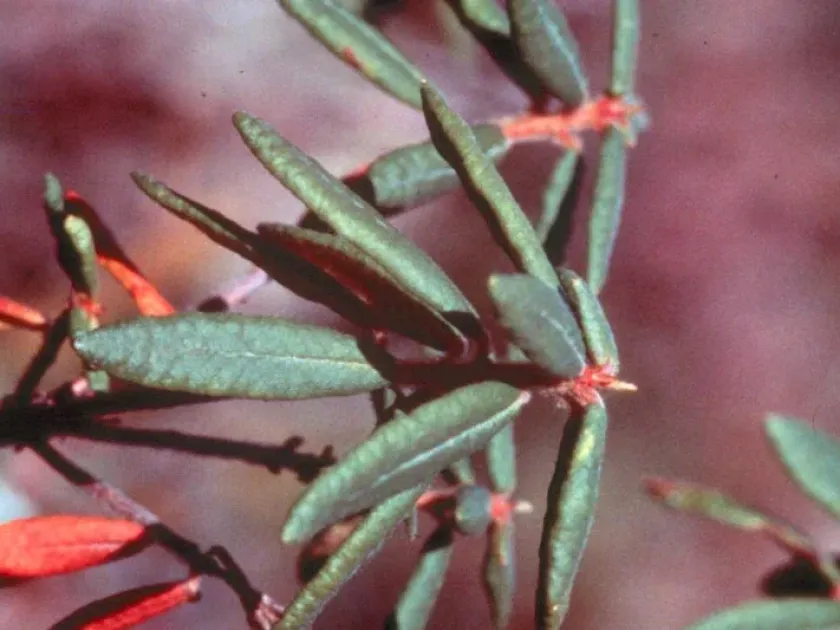
Description
Symptoms
The primary symptom is the emergence of distinctive orange or reddish-brown pustules on the undersides of the leaves. These structures are masses of fungal spores that eventually rupture the leaf epidermis.
On the upper side of the leaf, pale chlorotic spots appear, which eventually lose their vibrancy as the disease progresses. Infected areas become brittle, leading to leaf distortion and curling.
Severe infection triggers premature yellowing and leaf drop, causing stems to become bare. In young plantations, this defoliation can be particularly devastating and impact plant survival.
Infected bushes appear stunted and show significantly slower growth compared to healthy specimens. Fruit production is often severely limited due to the impairment of the photosynthetic process.
- Appearance of orange powdery pustules.
- Yellowing and chlorosis of leaf tissues.
- Premature shedding of foliage.
- Reduced vigor and stunted plant growth.
- Declining yield and fruit quality.
Pathogen
The causative agent of this disease is the highly specialized fungus Chrysomyxa reticulata, which belongs to the Basidiomycota phylum. This pathogen primarily targets plants of the Ericaceae family, particularly lingonberries.
The fungus's biology is closely linked to its host plants, often requiring the presence of certain conifers as alternate hosts to complete its life cycle. It invades leaf tissues, establishing mycelium that extracts essential nutrients from the host.
The lifecycle involves the production of various spore types, which are easily dispersed by wind over long distances. This allows the disease to spread rapidly across wild patches and agricultural plantations alike.
Classified as an obligate parasite, this pathogen cannot survive without a living host. The metabolic disruption caused by the fungal activity leads to significant physiological stress in the infected plant.
Accurate identification requires laboratory analysis to distinguish it from other rust fungi that may affect similar berry crops, as visual symptoms can sometimes overlap between related species.
Conditions for development
High humidity and moderate temperatures are the most favorable conditions for the development of rust. Prolonged periods of rainfall and overcast weather during the growing season significantly boost infection rates.
Dense planting patterns create a stagnant microclimate where moisture persists on leaf surfaces, providing the perfect environment for spore germination. Poor air circulation is a major factor in disease spread.
Proximity to forested areas containing conifer hosts increases the risk of infection, as spores are carried by wind from these reservoirs. Moisture in the form of morning dew or fog facilitates the infection process.
The disease is seasonal, peaking during wet summer months. Weather-dependent variables, such as frequent fogs, accelerate the colonization of healthy plant tissues by the fungal pathogen.
Poor agricultural practices, such as over-irrigation without adequate soil drainage, can weaken the plants' natural defense mechanisms, making them more susceptible to fungal invasions.
Why it matters
The main harm caused by the disease is the drastic reduction of the plant's photosynthetic surface. Extensive leaf loss leaves the plant unable to store sufficient energy reserves for future growth.
Rust disease negatively affects fruit quality, resulting in smaller, underdeveloped berries with poor taste. This significantly reduces the market value and overall profitability of the lingonberry crop.
Chronic infection weakens the root system, reducing the plant's hardiness. Infected plants are much more prone to winter injury and are significantly less likely to survive severe frost conditions.
Economic losses include both the loss of harvest and the increased costs associated with chemical control and farm management to sanitize infected areas.
Accumulation of inoculum in the soil and plant debris requires years of management to reclaim an infected plot. In extreme cases, complete removal and replanting with resistant varieties may be necessary.
Protection
The primary method of control is the application of systemic and contact fungicides. Copper-based compounds and modern triazoles are effective in suppressing the fungal population.
Sanitation is critical; all infected leaves and plant debris must be collected and destroyed to reduce the inoculum level for the following growing season.
Avoiding the establishment of new plantations near forest reservoirs is a recommended preventative measure. Selecting resistant cultivars is the best long-term strategy for managing the disease.
Pruning and thinning bushes improves air circulation, allowing the foliage to dry faster after rain and preventing the conditions necessary for spore germination.
Regular monitoring during the peak growing period allows for early detection. Targeted spraying can prevent the rust from reaching epidemic levels across the entire field.
In brief
8
Affects crops
Biology
Pathogens and affected parts
Pathogens
Affected plant parts
leaf
Content graph
Affects crops · 8
Content graph
Connections · Lingonberry rust
Most often together:
Marketplace
Products · 1
Community
Discussion
No discussions yet — be the first.