
Description
Symptoms
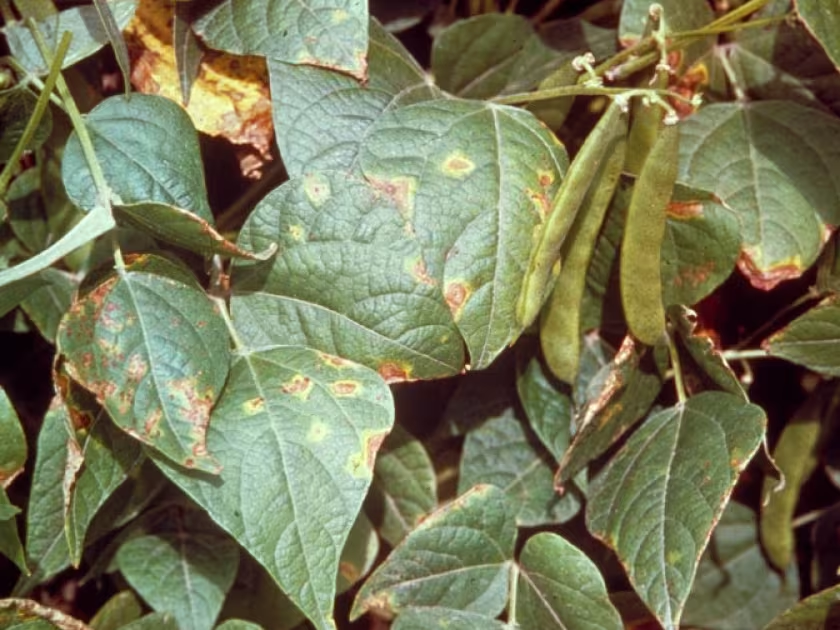
Initial symptoms include the appearance of small, water-soaked spots on the leaves, which gradually expand and turn into large necrotic areas.
These necrotic spots are often surrounded by a characteristic yellow halo, a distinct diagnostic feature of the disease in the field.
Stem infections manifest as dark, sunken lesions that can weaken the structural integrity of the plant, often leading to lodging or snapping.
Pods show small, water-soaked, greasy spots that eventually darken into reddish-brown lesions with an irregular shape.
Infected seeds can become discolored, shriveled, or show bacterial oozing on their surface, significantly reducing their market value.
Pathogen
The causative agent of common blight is the bacterium Xanthomonas fuscans, which is a major concern for bean producers worldwide.
The pathogen is primarily seed-borne, meaning it can survive within the seed coat and cotyledons for several seasons until favorable conditions arise.
It can also persist in crop debris and alternative host plants, serving as a reservoir for the infection in agricultural fields.
The bacteria disseminate through rain splashes, irrigation water, and the movement of insects, farm equipment, or even farm workers.
Once inside the plant tissue through natural openings or wounds, the bacteria multiply rapidly and cause systemic damage to the host.
Conditions for development
Warm and humid weather conditions are the primary drivers of this disease, with temperatures ranging between 25°C and 30°C being optimal.
Frequent rainfall or heavy dews promote the spread of the bacteria from plant to plant within the canopy, facilitating infection.
Poor soil drainage and low-lying fields that stay wet for extended periods create an environment conducive to rapid disease development.
High plant density in rows restricts airflow, maintaining a high humidity microclimate that encourages the spread of the pathogen.
Mechanical damage to the plants during field operations or due to insect infestation significantly increases the rate of disease spread.
Why it matters
The disease leads to severe defoliation, which drastically reduces the plant's photosynthetic capacity and hinders proper pod development.
Yield loss is significant, ranging from moderate reduction to complete destruction of the harvest in highly susceptible bean varieties.
The quality of the bean seeds is compromised, leading to poor germination rates and the spread of the disease to subsequent crops.
Economic impact includes the loss of marketable yield and the high costs associated with implementing control measures throughout the growing season.
Late-season infections can make the crop difficult to harvest, further adding to the losses faced by the farmers.
Protection
The primary control strategy is the use of disease-free, certified seeds to prevent the initial introduction of the pathogen into the field.
Implementing a crop rotation cycle of at least 3 years away from host crops helps to reduce the inoculum level in the soil.
- Seed treatment with bactericides to minimize the impact of latent infections.
- Deep plowing and removal of crop residue to reduce over-wintering populations.
- Pest management to prevent entry points for the bacteria.
- Application of copper-based sprays to protect the canopy during periods of high humidity.
- Development and utilization of resistant or tolerant bean genotypes.
Providing adequate spacing between plants improves airflow and helps to lower the humidity within the crop canopy.
Avoid working in the field when the leaves are wet, as this is the peak time for the bacteria to spread through mechanical contact.
Pathogens and affected parts
Affects crops · 1
Discussion
No discussions yet — be the first.