
Eurotiomycetes
Eurotiomycetes
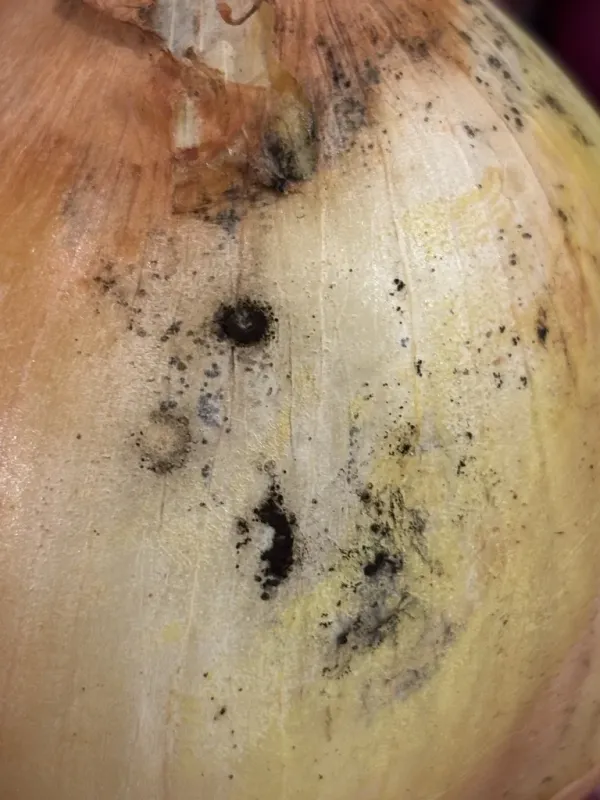
Description
Pathogen
Eurotiomycetes is a significant class of Ascomycota fungi that includes a wide array of species, ranging from beneficial decomposers to serious plant pathogens. They are biologically characterized by the production of cleistothecia, which protect their spores in diverse environmental conditions.
Prominent genera within this class, such as Aspergillus and Penicillium, are well-known in agriculture for their ability to thrive on seeds, grains, and succulent plant tissues. These fungi are globally distributed and highly efficient in their colonization strategies.
The resilience of Eurotiomycetes spores is a critical factor in their persistence. These spores can remain viable in soil and on organic debris for extended periods, waiting for the right conditions to initiate infection.
Most plant-related damage from this class occurs when fungi act as opportunistic pathogens. They exploit physiological weaknesses in plants or structural damage caused by environmental stress, mechanical injury, or insect feeding.
The metabolic diversity of these fungi allows them to break down complex plant polymers. Their enzymatic activity is what often leads to the visible softening and rotting of infected plant organs.
Conditions for development
High humidity and moisture are the primary drivers of Eurotiomycetes development. These fungi typically require high relative humidity levels or surface moisture on plant tissues to successfully germinate and establish mycelial growth.
Temperature plays a crucial role in their proliferation, with many species showing optimal growth rates between 20°C and 30°C. In these conditions, the fungal colony can expand rapidly and produce large quantities of asexual spores.
Inadequate field sanitation, such as leaving crop residues in the soil, provides a consistent food source for these fungi. Over time, this leads to an accumulation of inoculum that increases the infection pressure on subsequent crops.
Storage facilities are high-risk environments for Eurotiomycetes if aeration is poor. Condensation within grain silos or vegetable bins provides the perfect liquid water source for rapid fungal outbreaks.
Physical injuries to the harvest, such as bruises or cracks incurred during processing and handling, act as entry points. Once the plant's protective barriers are breached, the fungi colonize the inner tissues swiftly.
Why it matters
The most severe harm caused by Eurotiomycetes is the production of mycotoxins. These toxic secondary metabolites contaminate food and feed, posing substantial health risks to humans and livestock if consumed.
In terms of economic impact, these fungi are major causes of post-harvest loss. They rapidly degrade stored produce, leading to decay, loss of nutritional quality, and decreased market value.
In the field, infection of seeds often results in pre-emergence or post-emergence damping-off. This reduces stand density and vigor, which directly impacts the final yield potential of the crop.
Chronic infections in some plants can lead to the necrosis of stems and tissues, gradually debilitating the host. As the fungi extract nutrients from the plant, the overall growth rate and productivity are significantly hampered.
In cases of severe infestation, the spread of airborne spores during sensitive growth stages, such as anthesis, can result in widespread crop loss if environmental conditions remain favorable for the pathogen.
Protection
Effective control strategies start with rigorous crop rotation and debris management. Removing or burying crop residues reduces the fungal inoculum load available in the field for the following season.
Seed treatment with broad-spectrum fungicides is a standard preventive measure. This ensures that seedlings are protected during the vulnerable stages of germination from soil-borne fungal pathogens.
Sanitation of storage areas is vital. Cleaning and disinfecting equipment, walls, and storage spaces help minimize the concentration of fungal spores, preventing future outbreaks in processed harvests.
Managing insect pests is a crucial indirect control method. By reducing the number of injuries on plants, growers significantly lower the opportunities for Eurotiomycetes to infiltrate host tissues.
Finally, maintaining optimal storage conditions—specifically controlling moisture through active ventilation and keeping temperatures stable—is the most effective way to prevent fungal growth on harvested produce.
Discussion
No discussions yet — be the first.