
Deltaproteobacteria
Deltaproteobacteria
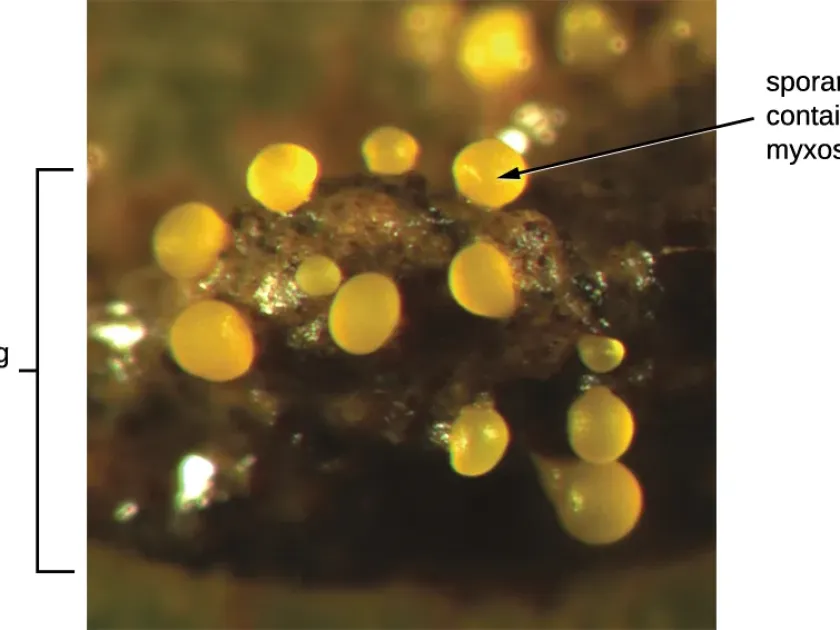
Description
Pathogen
Deltaproteobacteria are a diverse class of Gram-negative bacteria that are integral components of the soil microbiome, rather than plant pathogens.
They include unique predatory bacteria, such as the genus Bdellovibrio, which actively hunt and lyse other bacteria, providing a natural form of biological regulation in the soil.
In agronomy, they are recognized for their role in sulfur cycling and the decomposition of complex organic compounds, which enhances nutrient availability for plants.
They do not cause diseases in crops; instead, they are often involved in soil suppressiveness, where they help to naturally minimize the impact of various phytopathogens.
Their presence is considered an indicator of a rich and active biological environment, contributing to the overall sustainability of the agroecosystem.
Conditions for development
The proliferation of Deltaproteobacteria is favored in environments with high organic matter content, which supports both the bacteria and their microbial prey.
Adequate soil moisture and aeration are critical factors that influence their activity levels, as many species require aerobic conditions for metabolic processes.
Stable soil pH is essential for their population maintenance; extreme shifts in acidity can lead to a decline in microbial diversity, negatively affecting these bacteria.
Conservation tillage practices often result in higher populations of these beneficial microbes due to the maintenance of soil structure and organic residues.
Environmental temperatures within the moderate range promote metabolic activity, making them most effective during the active growing season.
Why it matters
Deltaproteobacteria pose no threat to agricultural crops and are not classified as pathogens or harmful organisms in any crop management system.
There are no recorded instances of these bacteria causing damage to roots, leaves, or fruits of cultivated plants.
The potential for harm is non-existent; therefore, these organisms do not require any form of eradication or mitigation strategies.
Reducing their presence through aggressive chemical treatments could theoretically destabilize the soil microbiome, making plants more vulnerable to other opportunistic infections.
Their role is strictly supportive within the soil web, functioning as regulators and mineralizers rather than as agents of plant disease.
Protection
No control measures are needed for Deltaproteobacteria, as they are part of the beneficial natural flora required for soil productivity.
Agronomic practices should focus on maintaining a healthy microbiome by minimizing the application of unnecessary synthetic soil disinfectants.
The incorporation of compost and crop residues provides the necessary substrate to maintain healthy populations of these helpful soil inhabitants.
Integrated Pest Management (IPM) strategies often benefit from the presence of these bacteria, as they contribute to the natural suppression of bacterial diseases.
Farmers are encouraged to manage soil health through balanced fertilization and organic matter amendments to ensure the long-term viability of these microbial communities.
Discussion
No discussions yet — be the first.