
Carrot leaf blight
Carrot temperate
Description
Symptoms
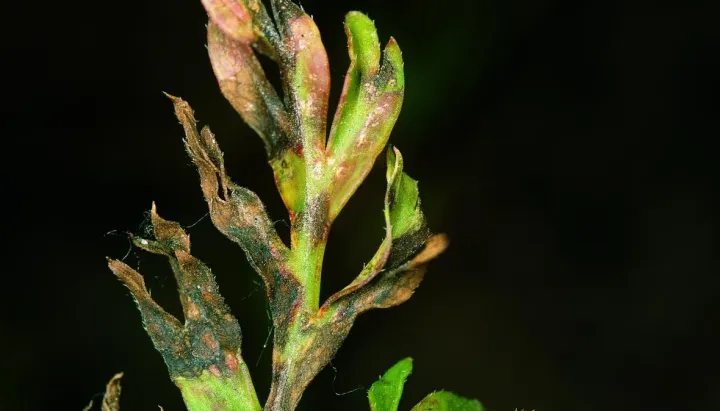
Initial symptoms manifest as small, dark brown or black spots on the margins of the lower leaves. As the disease progresses, these spots enlarge and may turn irregularly shaped.
A distinctive feature of the infection is the development of an olive-black velvety mold on the surface of the lesions, especially during periods of high humidity.
As the infection spreads, the leaves turn yellow, curl upwards, and eventually wither and die. This leads to severe defoliation, which stops the plant from producing enough energy for root development.
Lesions also frequently appear on the petioles. These dark, elongated lesions weaken the leaf stems, causing them to collapse, which severely complicates mechanical harvesting operations.
Post-harvest symptoms can be seen on the taproot. The infection manifests as darkened, sunken areas of dry rot that significantly lower the aesthetic and nutritional quality of the vegetable.
Pathogen
The disease is caused by the fungus Alternaria dauci, a serious pathogen that specifically targets carrot crops. It is a highly specialized microorganism capable of causing significant damage globally.
The pathogen survives primarily in infected plant debris left in the field or in the soil. It can also be seed-borne, making initial infection from contaminated batches a common problem.
The fungus produces conidia, which are disseminated by wind, rain splashes, and movement of machinery. These spores can travel long distances to infect healthy plants under suitable conditions.
Upon landing on leaves, the spores germinate and penetrate the tissue through stomata or directly through the epidermis. Once inside, the fungus secretes phytotoxins that lead to cell death.
This fungus primarily affects plants in the Apiaceae family. Beyond carrots, it can affect parsley, parsnip, and celery, which complicates crop rotation strategies for commercial farmers.
Conditions for development
Warm and humid weather is the primary driver of disease development. The fungus thrives at temperatures ranging from 18 to 25 degrees Celsius, which are common during the growing season.
Extended leaf wetness, caused by rain, heavy dew, or prolonged fog, is critical for spore germination. Without moisture, the infection cycle is significantly slowed down.
Dense planting configurations create microclimates with limited air circulation. This humidity trap allows the fungus to multiply rapidly throughout the entire canopy of the carrot field.
Nutrient stress, particularly a deficiency in potassium or nitrogen, weakens the plants' natural defense mechanisms. Healthy, well-nourished plants are better able to resist the initial infection.
Frequent summer rainstorms facilitate the rapid spread of spores from the lower leaves to the top growth. Under ideal conditions, an entire field can show signs of blight within just a few weeks.
Why it matters
The primary economic impact is the reduction in root size and total yield. Because the foliage is damaged, the carrots cannot store enough carbohydrates, resulting in undersized crops.
Harvesting efficiency is drastically reduced when the blight causes the petioles to become brittle. The mechanical harvesters often fail to pull the roots from the ground, leading to high harvest losses.
Carrots affected by the disease have a significantly shorter shelf life. The lesions on the roots act as entry points for secondary pathogens, causing rapid decay in cold storage.
The reduction in the marketability of the product leads to direct financial losses for the grower. Disfigured and undersized carrots are often rejected by retailers and processing plants.
In severe cases, an epidemic of Alternaria blight can cause total loss of the crop, necessitating expensive replanting or disposal, which undermines the viability of the farm.
Protection
Effective management begins with strict crop rotation. Avoiding carrot cultivation on the same land for at least three years helps reduce the inoculum load in the soil.
Utilizing resistant or tolerant carrot cultivars is the most sustainable approach to long-term control. It is vital to select seed varieties that have been tested for local blight strains.
Deep plowing after harvest is an essential sanitary practice. Burying infected foliage at a significant depth prevents the fungus from surviving to the next season.
Fungicide application should be timed strategically. Protective sprays should be applied before or at the very first signs of infection to prevent the rapid spread of the disease.
- Ensuring proper spacing to improve canopy airflow.
- Cleaning agricultural equipment to prevent cross-contamination.
- Monitoring fields regularly for early warning signs.
- Maintaining optimal soil nutrient status for plant vigor.
Discussion
No discussions yet — be the first.