
Betaproteobacteria
Betaproteobacteria
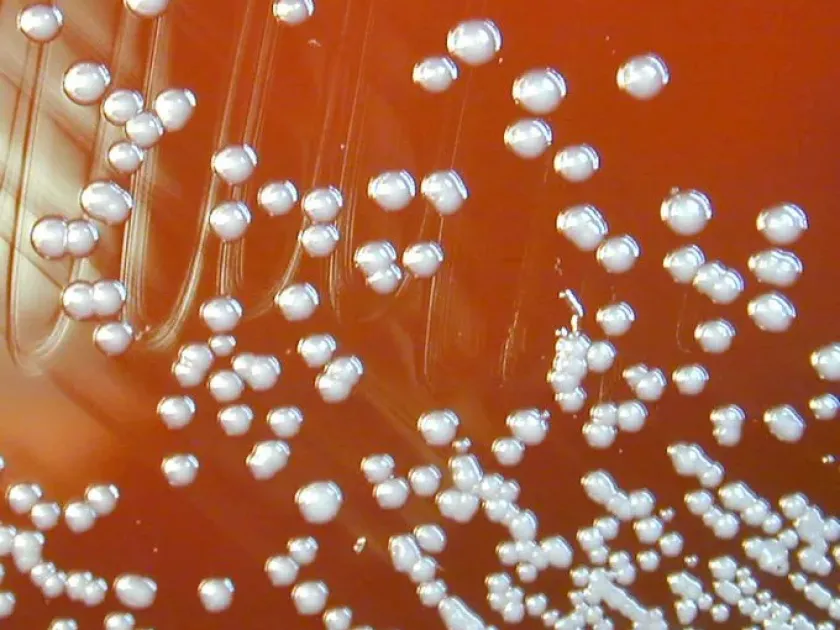
Description
Symptoms
The primary symptom of infection is sudden, unexpected wilting of the plant despite sufficient soil moisture. Initially, leaves may show signs of interveinal chlorosis, which eventually progresses to necrosis as the bacterial population within the veins expands.
Upon closer examination, a cross-section of the stem will often reveal darkened or discolored vascular bundles. This browning is a diagnostic sign of systemic bacterial colonization, which prevents the uptake of water and essential nutrients from the roots.
In fleshy organs like tubers or fruits, these bacteria cause soft, mushy rots that may emit a distinct, foul odor due to the breakdown of cellulose and pectin. A slimy bacterial ooze often appears on the surface of infected tissues under high humidity.
Early-stage infection in seedlings may result in damping-off, where the plant stem rots at the soil line, causing the seedling to topple over. Stunting and general lack of vigor are common in older plants that survive initial exposure to the pathogen.
- Sudden wilting without prior dry soil conditions.
- Browning or darkening of internal vascular tissues.
- Soft, necrotic decay of roots and fruits.
- Production of slimy bacterial exudate.
- Chlorosis followed by rapid leaf drop or browning.
Pathogen
Betaproteobacteria is a major class of Gram-negative bacteria that includes a diverse group of organisms, some of which are significant plant pathogens. The most notorious genus associated with agricultural plant disease is Burkholderia, particularly species like Burkholderia gladioli.
These pathogens are responsible for various types of diseases, most notably systemic bacterial wilt and soft rots. They colonize the plant's vascular system, specifically the xylem, obstructing water transport and leading to metabolic failure within the plant tissues.
Biologically, these bacteria possess specialized secretion systems that allow them to inject effector proteins into host cells. This facilitates their colonization and suppresses the host plant's immune response, enabling rapid disease progression.
The resilience of Betaproteobacteria is enhanced by their ability to survive in diverse ecological niches, including soil, water, and even the rhizosphere of non-host plants. This versatility makes them persistent threats in both open fields and controlled environments like greenhouses.
Furthermore, their genetic composition allows for high rates of horizontal gene transfer, which contributes to the development of antibiotic resistance and adaptation to new host species or changing environmental conditions.
Conditions for development
The development and spread of Betaproteobacteria are heavily favored by high humidity and warm temperatures, typically ranging from 25 to 30 degrees Celsius. These conditions facilitate the movement of bacteria through water films on leaf surfaces or in the soil.
Transmission of the pathogen frequently occurs via contaminated seeds or propagation materials. Agricultural equipment, if not sanitized properly, can transfer bacteria from infected fields to healthy plots during routine cultivation or harvest.
Poor drainage and excessive irrigation provide an ideal medium for the bacteria to travel. In greenhouse settings, high planting density combined with stagnant air circulation creates a microclimate where the disease can reach epidemic levels quickly.
Insects, such as aphids or beetles, act as major vectors, carrying the bacteria on their mouthparts and introducing them directly into the plant tissues through feeding wounds. Mechanical damage from tools also facilitates infection entry.
Soil pH and nutrient levels also influence the bacterial activity. Over-fertilization with nitrogen, which promotes lush but tender vegetative growth, increases susceptibility to bacterial penetration by keeping cell walls weaker.
Why it matters
The economic impact of Betaproteobacteria infections can be devastating, leading to substantial yield losses in vulnerable crops. In severe cases, total crop failure can occur if the bacteria infect young stands or if conditions remain optimal for pathogen spread.
Systemic infection disrupts the physiological processes of the plant, leading to a massive reduction in photosynthate accumulation. This results in undersized, low-quality fruit that is often unmarketable due to aesthetic defects or rot.
Persistent presence of these pathogens in the soil creates a long-term liability for farmers. Fields affected by bacterial wilt may require several years of fallowing or rotation with non-host crops to significantly lower the inoculum density.
In addition to direct losses, farmers incur costs related to intensive chemical interventions and increased monitoring requirements. The potential for latent infections—where the plant shows no symptoms but carries the bacteria—poses a significant phytosanitary risk during transport.
The degradation of quality extends to post-harvest storage, where small, undetected infections can rapidly spread through stored batches, leading to the loss of the entire harvest inventory during transit or retail.
Protection
Integrated Pest Management (IPM) is essential for controlling these diseases. This starts with the use of certified, disease-free seed and high-quality propagation material to prevent the introduction of the pathogen into the field.
Strict sanitation measures, including the disinfection of tools, equipment, and greenhouses with appropriate bactericides, are vital. Removing and incinerating diseased plant tissues helps prevent the pathogen from overwintering in crop debris.
Chemical control focuses on the preventative use of copper-based bactericides. While they cannot cure an established systemic infection, regular applications can suppress the growth of bacterial populations on the plant surface before they enter the vascular system.
Agricultural practices such as proper drainage management and optimized irrigation cycles prevent the water-saturated environments that these bacteria thrive in. Maintaining a proper plant spacing ensures adequate airflow, keeping leaf surfaces drier.
Biological control methods, such as the application of beneficial Bacillus species, can outcompete the pathogenic bacteria for resources in the rhizosphere, effectively reducing the chances of a successful infection.
Discussion
No discussions yet — be the first.