
Piptochaetium montevidense
Piptochaetium montevidense (Spreng.) Parodi
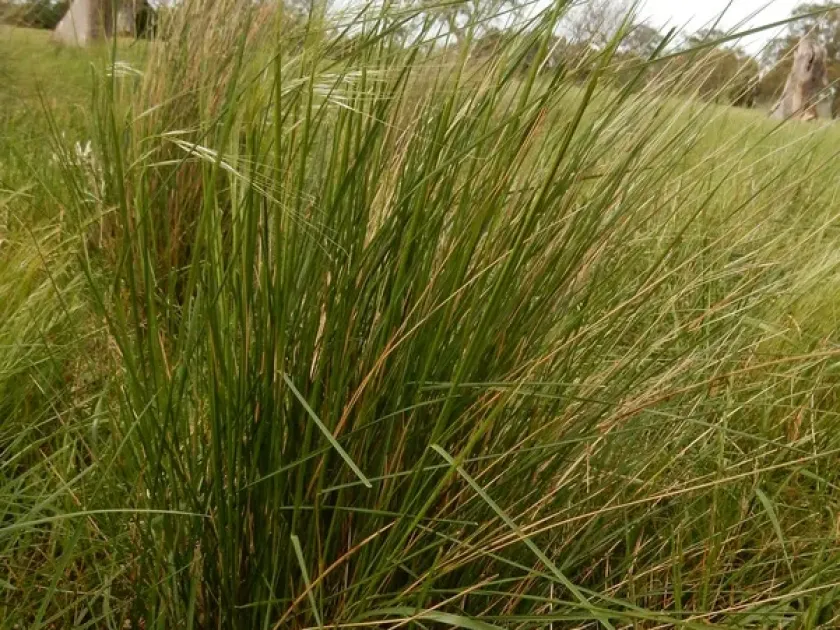
Description
Sowing dates
Sowing Piptochaetium montevidense is ideally performed in the autumn when soil moisture levels are adequate to support initial seed germination and establishment.
Seeds should be planted at a shallow depth of approximately 1 to 2 centimeters to ensure they remain in contact with soil moisture without being buried too deep.
In regions with cool springs, early sowing as soon as soil temperatures allow can help the plant establish a strong root system before the summer heat.
Uniform distribution of seeds is essential for creating a dense canopy that can suppress competitive weed species in the pasture or meadow environment.
Rolling the soil after sowing can significantly improve seed-to-soil contact, which is vital for the successful emergence of this small-seeded grass species.
Growing requirements
Piptochaetium montevidense belongs to the Poaceae family and is recognized as a hardy perennial grass native to the temperate regions of South America.
The crop thrives in well-drained, sandy or loamy soils and is particularly sensitive to waterlogged conditions, which can lead to root degradation.
It displays notable tolerance to varied climatic conditions, making it suitable for regions with moderate precipitation and occasional drought stress.
Neutral to slightly acidic soil pH levels are preferred, supporting optimal nutrient uptake and ensuring vigorous growth throughout the vegetative cycle.
Access to full sunlight is critical for its photosynthetic activity, allowing the plant to build high biomass levels necessary for grazing or hay production.
Main diseases and pests
Fungal pathogens represent the most significant threat to Piptochaetium montevidense, particularly in humid climates where air circulation is limited in the canopy.
Root rot and crown diseases may occur if the soil structure becomes compacted or if irrigation management fails to provide adequate drainage.
Pests such as grasshoppers and soil-dwelling insects can cause localized damage, although the plant typically shows resilience if managed correctly.
Overgrazing poses a long-term risk to the stand, as excessive pressure on the plants reduces their ability to recover and leaves soil exposed to erosion.
Implementing a rotational grazing strategy is the primary method for preventing biotic and abiotic stress, ensuring the longevity and health of the pasture.
Harvesting
Harvesting for forage should occur during the pre-flowering stage, as this is when the plant's protein content and digestibility are at their peak.
When cutting for hay, it is crucial to allow the material to dry under controlled conditions to prevent mold development and loss of nutritional value.
Seed harvesting requires careful timing; the inflorescences should be collected when seeds are mature but before natural shattering occurs in the field.
- Maintaining proper stubble height to encourage post-harvest regrowth.
- Using mechanical harvesters optimized for delicate grass seeds.
Strategic management of harvest intervals ensures that the plant reserves energy in its crown, which is essential for survival through the dormant season.