
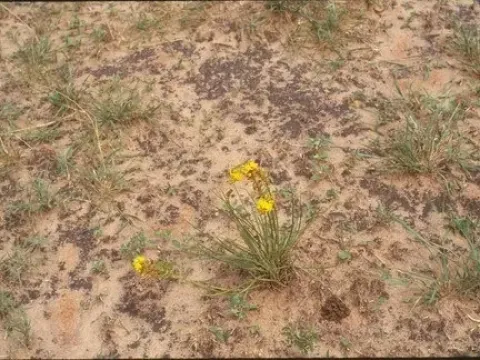
Wormskioldia
Wormskioldia
Wormskioldia is a genus of herbaceous plants belonging to the Passifloraceae family. Due to its tropical origins, successful cultivation in non-native climates requires careful management of sowing conditions, typically performed within controlled environments like greenhouses.
What the section contains
Wormskioldia
The optimal time for sowing is during early spring. This allows the plants to benefit from the increasing day length, which is crucial for early developmental stages. Seeds should be sown in a well-draining, nutrient-rich substrate, typically a mix of peat and perlite.
Germination requires a constant temperature between +22 and +25 degrees Celsius. To maintain the necessary humidity levels, the seed trays should be covered with clear plastic or glass, ensuring the substrate remains moist but not waterlogged.
Seed depth is generally kept shallow, around 0.5 to 1 centimeter. Because seed germination can be irregular in this genus, it is advisable to sow seeds densely and thin them out once the seedlings have reached a sufficient size.
Transplanting seedlings requires significant care. The root system of Wormskioldia is known to be delicate, meaning that any physical damage during the transfer from seed trays to individual pots can cause a significant growth check or plant loss.
As a tropical plant, Wormskioldia demands warmth and consistent temperatures. It thrives in environments that mimic its native tropical habitat, where temperatures stay above +18 degrees Celsius and light levels are high but indirect.
Soil quality is paramount. It requires a fertile, slightly acidic to neutral, and highly porous soil. Adding organic amendments like well-rotted compost helps improve soil structure and water retention without risking the common issue of root rot.
Proper air circulation is essential for the health of the foliage. In greenhouse settings, the use of oscillating fans is recommended to prevent stagnant air pockets, which are breeding grounds for various fungal diseases and pests.
Water management must be precise. The plant prefers consistent moisture but must have sufficient drainage to prevent water accumulation. During the cooler winter months, the plant enters a period of slower growth, requiring significantly less irrigation.
Fertilization should be applied primarily during the active growing season. A balanced, water-soluble fertilizer applied every two to three weeks is generally sufficient to support healthy vegetative growth and maintain the vigor of the plant.
Fungal pathogens, particularly those responsible for damping-off and various root rots, are the primary threat to the health of Wormskioldia. These often proliferate when soil is kept too wet and air circulation is poor.
Insect pests such as spider mites and mealybugs are major concerns. Spider mites thrive in dry, warm environments, making them a common issue in indoor settings. Regular monitoring of leaf undersides is crucial for early detection and mitigation.
To combat fungal infections, maintaining proper humidity and avoiding overhead irrigation is key. Fungicidal treatments should be applied only as a last resort, prioritizing cultural controls like thinning and pruning affected areas first.
Mealybugs can be physically removed with swabs dipped in alcohol for light infestations. For larger outbreaks, biological control agents or targeted systemic insecticides are more effective, though care must be taken to match the product to the plant's sensitivity.
Sanitation practices are the best defense against pests and diseases. Ensuring that all tools are disinfected and that no decaying plant material remains near the base of the crop will significantly reduce the risk of secondary infections.