
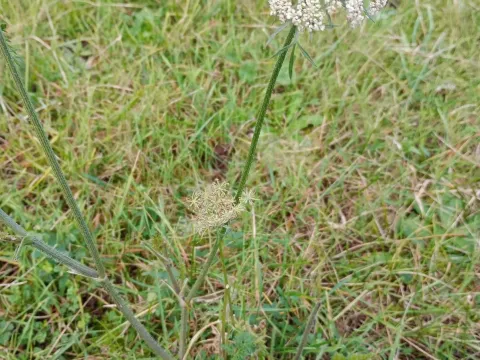
Agrocharis
Agrocharis
Agrocharis is a genus of flowering plants belonging to the Apiaceae family. While not a mainstream commercial crop, it is recognized by researchers for its unique botanical characteristics and specific life cycle requirements within the Umbelliferae group.
What the section contains
Agrocharis
Sowing should take place in early spring once the soil temperature has stabilized. Due to the biological nature of the seeds, they often require a period of cold stratification to overcome physiological dormancy and ensure uniform germination across the field.
The seeds are relatively small and should be sown at a shallow depth of approximately 1.5 centimeters. Proper soil contact is essential, and light rolling of the seedbed is recommended after sowing to maintain moisture levels around the seed coat.
Row spacing should be maintained at a distance that prevents overcrowding, allowing for adequate air circulation and sunlight penetration. Efficient weed control is critical during the first few weeks, as the seedlings are sensitive to competition.
Staggered sowing may be practiced in controlled environments to monitor the development stages of the plant. Maintaining consistent soil moisture during the germination phase is the most critical factor for establishing a successful stand of Agrocharis.
This crop thrives in full sun exposure and requires high light intensity to support its metabolic processes. Areas with frequent cloud cover or significant shading will negatively affect both the height and the seed production potential of the plants.
Agrocharis prefers well-drained, sandy-loam soils that are rich in organic matter. Soil structure is paramount, as the taproot system requires a loose medium to penetrate deeply and efficiently extract water and essential mineral nutrients.
Temperature management is key; the plant performs best in moderate climates with temperatures ranging between 18°C and 25°C. Excessive heat stress can cause premature bolting, shifting the plant from vegetative growth to reproductive phase too early.
Watering requirements are moderate but must be consistent. Irrigation systems such as drip lines are highly recommended to keep the soil moisture levels stable without wetting the foliage, which helps in preventing various fungal diseases.
Nutrient management should be based on soil analysis. While moderate nitrogen application boosts biomass, an excess of nitrogen can lead to soft tissue growth, making the plants more susceptible to lodging and physical damage.
The primary threats to Agrocharis include aphid infestations and various larvae that feed on the roots and tender foliage. Monitoring of the field should be frequent to detect these pests before they reach economic threshold levels.
Fungal pathogens such as powdery mildew represent a significant risk, especially in environments with high humidity and poor ventilation. Keeping the canopy open and dry is the best non-chemical method to prevent these outbreaks.
Soil-borne pathogens can be managed through strict adherence to crop rotation cycles. Avoiding monocultures of the Apiaceae family on the same plot for at least three to four years significantly reduces the risk of long-term soil contamination.
Integrated Pest Management (IPM) strategies, involving the use of beneficial insects or targeted biopesticides, are preferred over broad-spectrum chemicals. This approach preserves the local ecosystem and ensures healthier plant development.
- Risk of fungal infections in humid conditions.
- Susceptibility to sap-sucking insect pests.
- Sensitivity to heavy weed competition at early stages.