
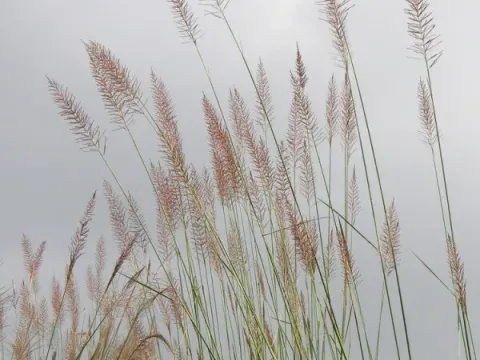
Narenga
Narenga
Narenga (genus Narenga) is a robust perennial grass belonging to the Poaceae family. This species is gaining attention for its potential as a high-yielding energy crop, capable of producing significant biomass in various tropical and subtropical environments.
What the section contains
Narenga
Propagation is primarily achieved through vegetative division of rhizomes, which ensures rapid establishment and uniformity of the stand. For industrial plantations, selecting a site with well-drained, fertile soil is crucial for maximizing early growth rates.
The optimal planting window corresponds with the onset of warm weather, as the crop requires soil temperatures consistently above 15-18 degrees Celsius to initiate vigorous root development. Cold temperatures during the early establishment phase can severely stunt growth.
Seed-based propagation requires meticulous seedbed preparation and consistent moisture management during the germination phase. Establishing a dense canopy is essential for suppressing weed competition during the initial months of the crop's development.
Proper spacing is a fundamental agronomic practice, ensuring that each plant has adequate access to sunlight and nutrients, which prevents overcrowding and competition within the plantation.
Narenga thrives in environments with high solar radiation, reflecting its efficiency as a C4 photosynthetic plant. It is best adapted to regions where the growing season is long and temperatures remain consistently high throughout the year.
Soil requirements focus on good drainage and a near-neutral pH balance. While the plant shows resilience to varying moisture conditions, saturated soils with stagnant water can hinder root respiration and overall biomass accumulation.
Thermal stability is a key factor, with optimal growth occurring between 25 and 35 degrees Celsius. Although the plant is resilient to short-term temperature fluctuations, prolonged exposure to cold or frost will trigger dormancy or tissue death.
During the rapid stem elongation phase, moisture availability becomes the primary driver of yield. Supplemental irrigation during drought periods can significantly increase the total harvestable biomass in commercial operations.
Fertility management is vital for sustainable production; nitrogen inputs should be balanced to support the high biomass output characteristic of this genus, ensuring that soil nutrients are replenished after each harvest cycle.
The yield potential of Narenga is substantial, making it a competitive option for biomass-to-energy conversion systems. Once the plantation reaches maturity, usually within 3 to 4 years, it can provide stable annual yields for many years.
Maximum productivity is reached through optimal management practices, including precise fertilization and weed control. Data indicates that consistent nutrient supply and proper management can result in high dry matter accumulation per hectare.
The plant's regenerative ability allows for multiple harvests without the need for frequent replanting, which drastically reduces long-term operational costs. Post-harvest nutrient replacement is essential to maintain the productivity of the root system.
Harvesting efficiency is directly linked to the density of the stand and the overall health of the root system. Proper management of the harvest cycle ensures that the plantation remains productive over a long lifespan.
Energy density and the composition of the biomass make Narenga a highly favorable feedstock for power generation and industrial applications, matching or exceeding the performance of traditional energy crops.
Fungal pathogens represent the most significant threat to Narenga, particularly in high-humidity climates where air circulation is restricted. Managing plant density and ensuring proper field sanitation can mitigate these risks effectively.
Pest pressure from stem-boring insects can lead to reduced plant vigor or physical damage to the stalks. Regular field scouting is necessary to identify infestations early and apply targeted control measures.
Weed management is critical during the first season of growth. Because the crop grows relatively slowly initially, mechanical or chemical weed suppression is necessary to prevent invasive plants from outcompeting the Narenga stand.
Crop rotation and spatial isolation from older, potentially infected plots are recommended to prevent the buildup of soil-borne pathogens. Adopting integrated pest management strategies is the best approach for long-term health.
Ensuring that the crop is well-nourished also enhances its innate resistance to minor physiological stresses and opportunistic infections, creating a robust field environment.
Harvesting usually takes place at the end of the vegetative period, when the plant has maximized its dry matter content and moisture levels have dropped. This timing is critical for efficient processing and storage.
Specialized harvesting equipment, such as forage harvesters with shredding attachments, is utilized to cut the stalks efficiently. Proper calibration of the cutting height is required to protect the crown and rhizomes, ensuring regrowth for the next season.
After harvesting, the biomass should be dried properly to prevent degradation or mold formation during storage. Efficient logistics are essential to move the harvested material from the field to processing facilities promptly.
Stubble management post-harvest can include cleaning the field of excess debris, which helps in preventing pathogen buildup and prepares the site for the next cycle of growth.
Maintaining high standards during the harvest operation ensures the quality of the raw material, ultimately enhancing the efficiency of its downstream conversion into energy or industrial products.