
Boston ivy
Parthenocissus tricuspidata (Siebold & Zucc.) Planch.
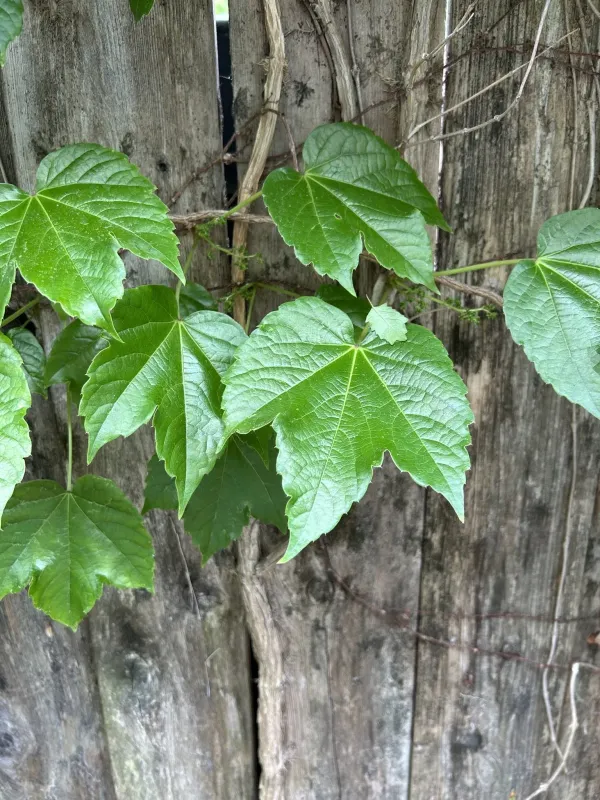
Description
Growing requirements
Boston ivy, scientifically known as Parthenocissus tricuspidata, is a deciduous woody vine belonging to the Vitaceae family. It is widely recognized for its aggressive climbing habit, utilizing small, adhesive tendrils to scale brick, stone, and wood surfaces without requiring additional support structures.
Native to eastern Asia, including Japan, Korea, and northern and eastern China, this plant has become a staple in urban landscaping. It is highly valued for its ability to rapidly cover large building facades and provide an effective green layer that improves thermal insulation.
The plant thrives in a wide range of light conditions, from full sun to partial shade, though fall foliage color is most vibrant when exposed to more sunlight. It is remarkably adaptable to various climates, showing high cold tolerance once the vine is fully established.
Regarding soil preferences, Boston ivy is not demanding but performs best in well-drained, fertile soil. It tolerates urban pollution and soil compaction significantly better than many other climbing species, making it an ideal choice for city environments.
Basic maintenance involves annual pruning to keep the vine within desired boundaries and to remove dead or diseased growth. Watering is essential during the initial planting years, especially during dry spells, to support root development.
Main diseases and pests
While generally robust, Boston ivy can occasionally suffer from powdery mildew, particularly in environments with poor air circulation or high humidity. Applying appropriate fungicides is usually sufficient to manage these fungal outbreaks effectively.
Insect pests, such as aphids, leafhoppers, and various scale insects, may occasionally infest the foliage. While these pests rarely threaten the life of the plant, they can impact its aesthetic appeal during the growing season.
Spider mites are a potential threat during prolonged periods of hot and dry weather. Regular monitoring of leaf undersides and maintaining adequate soil moisture can help minimize the risk of significant spider mite damage.
Leaf spot diseases, caused by various fungi, can manifest during wet summers. Improving air movement around the plant and clearing away fallen leaves at the end of the season are effective cultural practices to reduce disease pressure.
Overall, the plant is highly resistant to major threats and requires minimal chemical intervention if given the right spacing and site conditions. Strong cultural practices, such as proper pruning, remain the best defense against potential issues.