
Virginia creeper
Parthenocissus quinquefolia (L.) Planch.
Description
Growing requirements
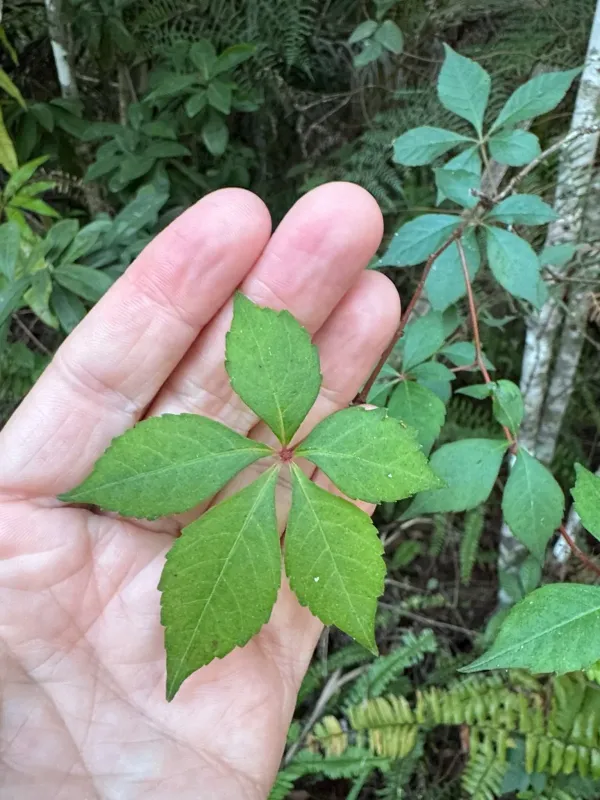
Virginia creeper (Parthenocissus quinquefolia) belongs to the Vitaceae family. It is a vigorous deciduous vine native to North America, widely recognized for its fast growth rate and ability to climb various vertical surfaces using adhesive tendrils.
The species is highly adaptable to various climatic conditions, exhibiting excellent frost resistance and tolerance to urban pollutants. It flourishes in full sun to partial shade, making it a versatile choice for residential and industrial landscape design.
Soil requirements are minimal; however, the plant thrives in deep, well-drained loamy soils. Its robust root system allows it to withstand temporary water shortages once the vine is well-established in the soil.
Proper horticultural care involves periodic pruning to manage growth and prevent the plant from encroaching on structures or gutters. Regular maintenance ensures the vine remains healthy and contained within the desired perimeter.
The primary use of this crop is in vertical landscaping, where it is used to cover walls, fences, and trellises. It provides excellent cooling effects for buildings during summer months and serves as a natural habitat for local fauna.
Main diseases and pests
Virginia creeper is generally resistant to diseases, though improper airflow and high humidity may occasionally lead to powdery mildew. Ensuring good spacing and light exposure is usually sufficient to mitigate this risk.
Pest issues are relatively rare but may include attacks by leaf-eating insects, aphids, or scale insects. In cases of significant infestation, gardeners should utilize appropriate pest control measures to maintain plant vigor.