
Cissus rhombifolia
Cissus rhombifolia Vahl
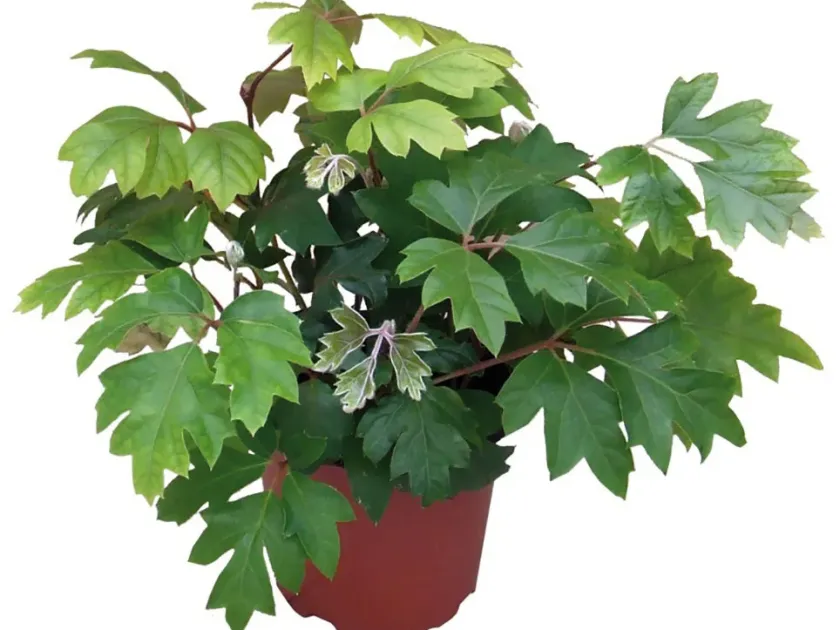
Description
Growing requirements
Cissus rhombifolia, commonly known as grape ivy, is an evergreen vine belonging to the Vitaceae family. Originating from the tropical regions of South and Central America, it is highly valued for its vigorous growth and lush, glossy green foliage.
Botanically, the plant is characterized by trifoliate, rhombic-shaped leaves with serrated margins. It produces long, flexible stems that climb effectively using tendrils, making it an excellent choice for indoor trellises and hanging baskets.
Grape ivy thrives in bright, indirect light; harsh direct sunlight can scorch the delicate leaves. It prefers a consistent temperature between 65°F and 80°F (18°C-27°C) and should be protected from cold drafts or sudden temperature fluctuations.
Soil requirements for Cissus include a well-draining, nutrient-rich potting mix. A combination of peat-based soil with added perlite or coarse sand provides the necessary aeration and moisture retention that the roots require to stay healthy.
Agrotechnical maintenance involves regular watering during the active growing season, allowing the top inch of soil to dry out between waterings. Humidity is crucial; occasional misting or using a pebble tray will keep the plant vibrant throughout the year.
Main diseases and pests
Spider mites are the most common pests for Cissus rhombifolia, particularly in environments with low indoor humidity. They thrive on the underside of leaves, causing fine webbing and speckled yellowing of the leaf surface.
Mealybugs and scale insects may also infest the plant, typically found hiding in leaf axils or along the stems. Regular inspection and wiping the foliage with a damp cloth or neem oil can help keep these infestations under control.
Root rot is a significant threat caused by overwatering or poor drainage. When the soil remains soggy for extended periods, the roots lose their ability to take up nutrients, leading to yellowing leaves and eventually total plant decline.
Fungal diseases like leaf spot or anthracnose can occur when the plant is kept in poor ventilation with consistently wet foliage. Pruning affected areas and ensuring adequate airflow are key preventative measures against these pathogens.
Maintaining proper hygiene by removing dead leaves and ensuring the pot has adequate drainage holes is essential for long-term health. Providing proper nutrition during the growing season further enhances the plant's natural resistance to pests and diseases.