
Cissus adenopoda
Cissus adenopoda Sprague
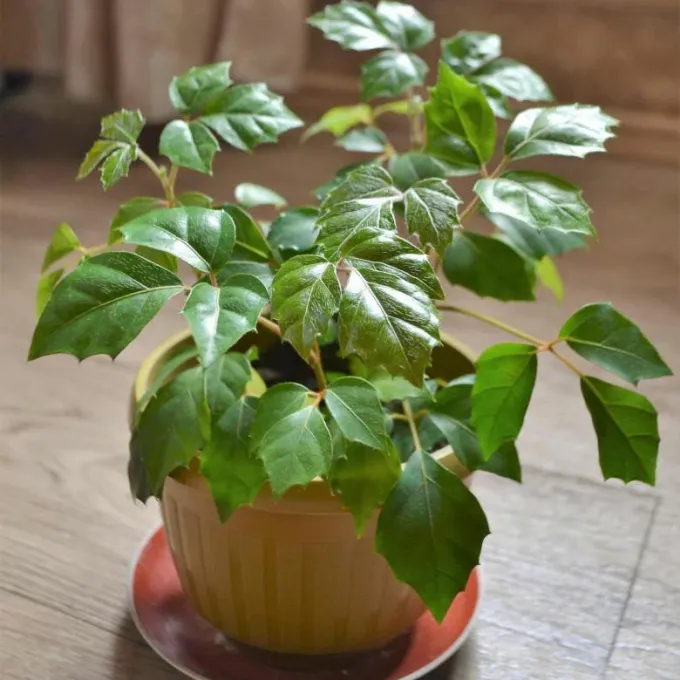
Description
Growing requirements
Cissus adenopoda is a striking ornamental vine belonging to the Vitaceae family. Originating from the tropical forests of Central Africa, it is known for its distinct velvety, dark green leaves with metallic overtones, making it a popular choice for indoor plant enthusiasts.
The plant thrives in warm, stable conditions with temperatures ranging from 20 to 25 degrees Celsius. It is highly sensitive to cold drafts and sudden thermal fluctuations, which can lead to premature leaf drop and stunted growth.
As a forest understory plant, it requires bright but filtered light. Direct sunlight can scorch the delicate foliage, while low light conditions may cause the plant to lose its vibrant coloration and grow spindly stems.
High humidity levels are essential for the health of Cissus adenopoda. Growers should aim for at least 60% relative humidity, which can be achieved through regular misting, the use of pebble trays, or automatic humidifiers in the growing environment.
The soil should be well-draining, nutrient-rich, and slightly acidic. A mixture based on peat, perlite, and organic compost is ideal for maintaining the necessary moisture balance while ensuring oxygen reaches the roots.
Main diseases and pests
Spider mites are the most significant pest threat to this vine, especially in low-humidity environments. Regular inspection of the underside of leaves and keeping the ambient humidity high are the best preventative measures against these pests.
Overwatering is a primary cause of concern, often leading to root rot. To mitigate this risk, it is important to allow the top layer of the substrate to dry out between waterings and ensure the container has adequate drainage holes.
Mealybugs can occasionally infest the stems and joints of the plant. If detected, they should be treated immediately with neem oil or insecticidal soap, taking care to cover all surfaces of the affected plant parts.
Fungal leaf spots can occur if air circulation is poor or if the foliage remains wet for extended periods. Keeping the leaves dry and ensuring good airflow around the vine will significantly reduce the risk of such infections.
Maintaining a regular care routine, including sanitation of gardening tools and removing dead leaves, is vital for preventing the spread of diseases and ensuring the overall vigor of the plant.