
Arabian wax leaf
Cissus rotundifolia Vahl
Description
Growing requirements
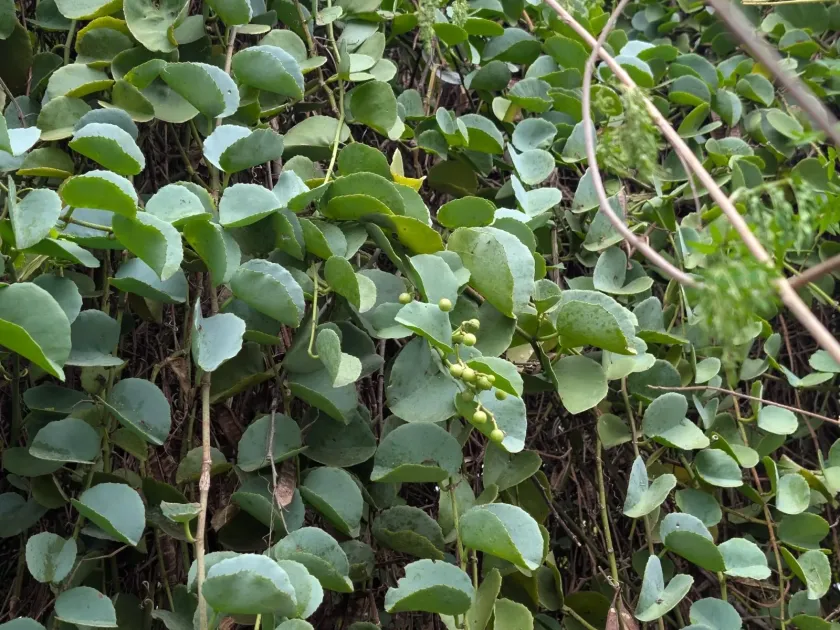
Cissus rotundifolia, commonly known as the Arabian wax leaf, is a robust, succulent-like climbing plant belonging to the Vitaceae family. Its biological structure is specialized for arid environments, featuring woody stems and thick, waxy, orbicular leaves that effectively store moisture.
Originating from the eastern regions of Africa and the Arabian Peninsula, this species is naturally adapted to scrublands and rocky areas. These ecological origins define its preference for high light intensities and its ability to withstand periods of limited water availability.
The morphology of the plant includes strong tendrils and deep-green foliage, which is often serrated. Due to its succulent nature, the plant can thrive in environments where typical tropical vines would suffer from water stress, provided there is adequate light.
Successful cultivation requires a well-draining potting medium, ideally a blend of loam, leaf mold, and horticultural sand. Maintaining a balanced soil structure is vital to prevent the compaction of the root system and ensure proper aeration of the substrate.
Thermal requirements for Cissus rotundifolia include a warm growth environment, ideally between 20°C and 26°C. While it is somewhat drought-tolerant, consistent watering during the growing season is essential for vigorous leaf production and overall vine vitality.
Main diseases and pests
Spider mites are the most common pest affecting this culture, especially in indoor environments with low relative humidity. Regular misting or cleaning of the leaves can act as an effective preventative measure against mite infestations.
Root rot is the primary physiological threat, typically resulting from overwatering or inadequate soil drainage. It is critical to allow the soil surface to dry out completely before administering the next irrigation cycle to preserve root integrity.
Mealybugs are another potential threat, often congregating in the axils of the leaves or along the nodes of the stems. If detected, mechanical removal combined with localized insecticide application is the standard protocol for controlling their spread.
Fungal leaf spot diseases can occur if there is poor air circulation around the foliage. Ensuring that the plant is placed in a well-ventilated area helps to maintain dry leaf surfaces and inhibits the development of pathogenic spores.
General plant vigor is the best defense against pests and diseases. Providing balanced nutrient supplementation and ensuring proper light exposure helps the plant develop a thicker waxy cuticle, which acts as a physical barrier against external stressors.