
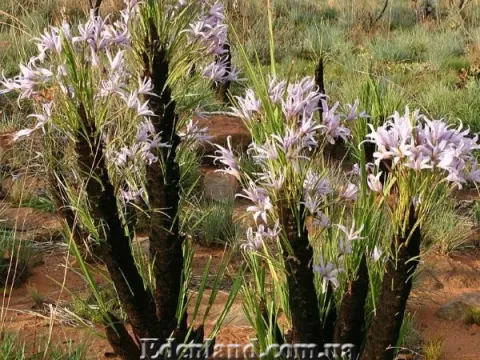
Xerophyta
Xerophyta
Xerophyta is a genus of flowering plants belonging to the Velloziaceae family. These plants are scientifically classified as resurrection plants, possessing the remarkable ability to tolerate extreme desiccation and survive in environments where water availability is highly erratic.
What the section contains


Xerophyta
The native habitat of this genus is primarily found in tropical Africa and Madagascar. They are commonly discovered in rocky habitats, thriving in thin, nutrient-poor soils where competitive pressure from other flora is minimal.
Agronomic management for Xerophyta centers on replicating its native rock-dwelling environment. A highly porous, mineral-rich substrate is critical to prevent the accumulation of moisture, which leads to root suffocation.
The plant requires high light intensity to maintain its physiological health. While it can withstand prolonged periods of drought, consistent growth cycles are achieved through a carefully managed irrigation schedule that mimics natural rainfall patterns.
In modern agricultural science, the genus is highly regarded for its potential in genetic research. Researchers are analyzing the molecular mechanisms behind its resurrection capabilities to potentially engineer drought-resistant traits into staple cereal crops.
Root rot is the primary physiological threat, often caused by poor drainage or overwatering. Maintaining a sterile growing environment and using well-draining media are essential preventive measures against fungal pathogens.
Common pests include spider mites and mealybugs, which are particularly problematic in controlled greenhouse environments with low humidity. Integrated pest management, focusing on biological controls, is highly recommended.