
Xerophyta viscosa
Xerophyta viscosa
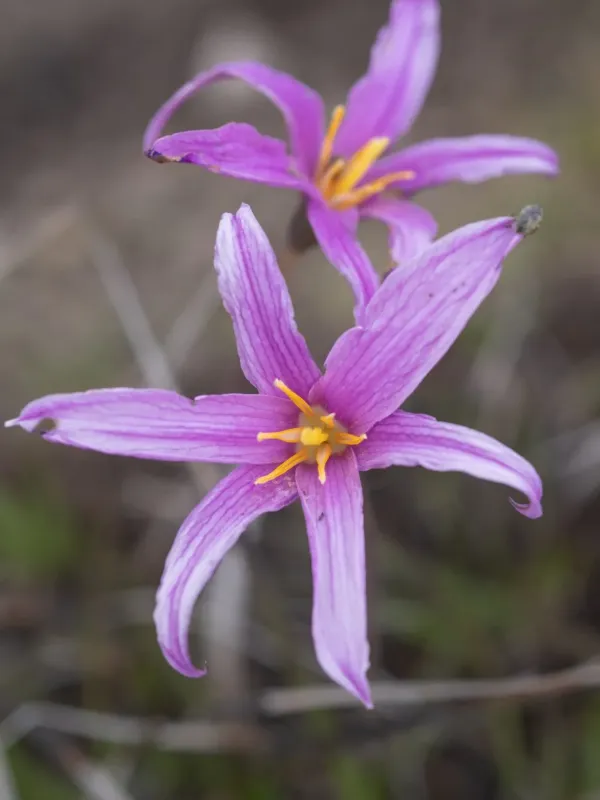
Description
Growing requirements
Xerophyta viscosa is a remarkable perennial plant belonging to the Velloziaceae family, native to the rocky landscapes of Southern Africa. It is widely recognized as a resurrection plant, capable of reviving from a desiccated state after rainfall.
This species thrives in nutrient-poor, well-drained rocky soils where it can withstand intense solar radiation. Its physical architecture is optimized for survival in arid environments, characterized by slow growth and dense, fibrous stem structures.
Botanically, the plant is identified by its glandular, sticky leaves that help in water retention and protection against herbivores. These specialized leaves remain in a curled position during long drought periods to prevent unnecessary water loss through evaporation.
From an agricultural perspective, Xerophyta viscosa requires specific irrigation management that simulates its natural cycle of extreme aridity followed by infrequent, heavy rainfall. Soil moisture must be strictly controlled to prevent fungal infections of the root system.
Modern agrotechnological research focuses on the molecular mechanisms that allow this plant to recover after losing the majority of its cellular water. This knowledge is crucial for future biotechnological efforts to engineer climate-resilient crop varieties for global agriculture.