
Rousselia humilis
Rousselia humilis
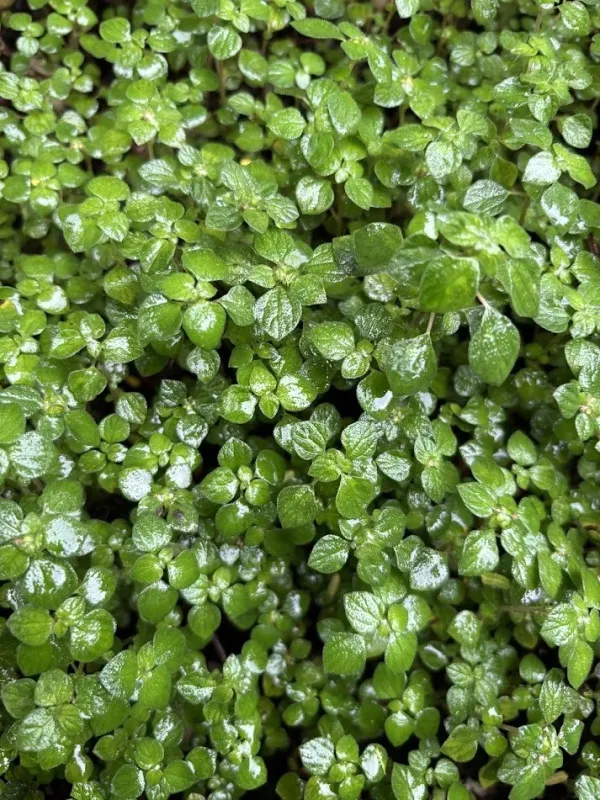
Description
Growing requirements
Rousselia humilis is an herbaceous perennial plant belonging to the Urticaceae (nettle) family. Native to the tropical regions of Central America and the Caribbean, this plant is primarily found in shaded, humid habitats where it thrives as a low-growing member of the forest understory.
The plant requires specific soil conditions for successful growth, favoring well-drained but consistently moist substrates rich in organic matter. Waterlogged soils should be avoided at all costs, as the roots are highly susceptible to decay in stagnant water.
In terms of climate requirements, Rousselia humilis demands a stable, warm environment with temperatures typically ranging between 20°C and 28°C. It is an shade-loving plant that performs poorly under direct sunlight, which often results in leaf chlorosis and thermal damage.
Botanically, the species is characterized by its prostrate habit and delicate foliage structure typical of the Nettle family. It spreads via horizontal stems, making it an excellent candidate for groundcover in controlled environments like greenhouses and humid conservatories.
From a horticultural perspective, the plant is valued for its lush texture and ability to fill empty spaces in shaded landscape designs. Its agricultural utility is largely ornamental, supporting biological diversity within indoor botanical installations.
Main diseases and pests
Fungal pathogens represent the primary threat to the health of Rousselia humilis, especially in indoor settings with poor ventilation. Root rot is the most common condition resulting from excessive moisture and compacted, oxygen-poor growing media.
Pests, particularly spider mites and mealybugs, are frequent offenders in greenhouse environments. These pests thrive in dry air conditions and can cause significant damage to the plant's delicate tissues if not addressed immediately upon detection.
Preventative care is essential, consisting of maintaining proper humidity levels and ensuring consistent airflow around the foliage. Regularly cleaning the plant area and removing any decaying organic material is crucial for preventing the buildup of fungal spores.
If an infestation occurs, integrated pest management practices should be utilized. This includes the application of appropriate acaricides or insecticidal soaps, keeping in mind the sensitivity of Urticaceae foliage to harsh chemical treatments.
Finally, monitoring the pH level of the substrate is recommended, as extreme deviations can weaken the plant's natural immune response, making it more susceptible to secondary infections and opportunistic pests.