
Dark ulva
Ulvaria obscura
Description
Growing requirements
Dark ulva (Ulvaria obscura) is a marine green alga belonging to the family Ulvaceae. This species is commonly found in intertidal and subtidal zones, where it attaches to rocky substrates in cold and temperate waters.
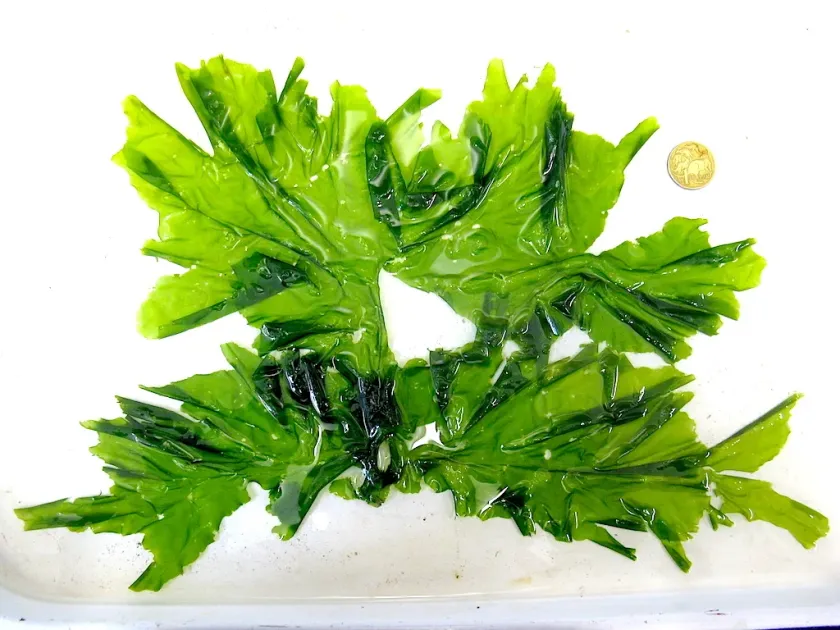
The morphology of Ulvaria obscura consists of sheet-like thalli that are typically thin and translucent. It thrives in well-oxygenated marine environments, relying on photosynthesis to produce biomass in high-nutrient conditions.
Regarding environmental requirements, this alga demands clean, moving water to ensure proper gas exchange and nutrient uptake. It is highly sensitive to salinity fluctuations, which often dictate the seasonal distribution of its populations.
In terms of agricultural and scientific interest, dark ulva is researched for its potential in sustainable aquaculture. It acts as a bio-filter in coastal systems, sequestering excess nitrogen and phosphorus, which helps maintain water quality.
Cultivation practices involve monitored submerged culture systems where temperature and light intensity are strictly regulated. The goal is to maximize the synthesis of beneficial polysaccharides while preventing undesirable bacterial growth on the thallus surface.
Main diseases and pests
The main threats to Ulvaria obscura include coastal eutrophication and ocean acidification. Anthropogenic pollutants often result in habitat degradation, reducing the photosynthetic capability and growth rate of the macroalgae.
Herbivory pressure from various marine grazers, such as sea urchins and snails, poses a significant risk to young colonies. In addition, competition with invasive filamentous algae often leads to the displacement of native ulva populations.