
Syrian maple
Acer syriacum
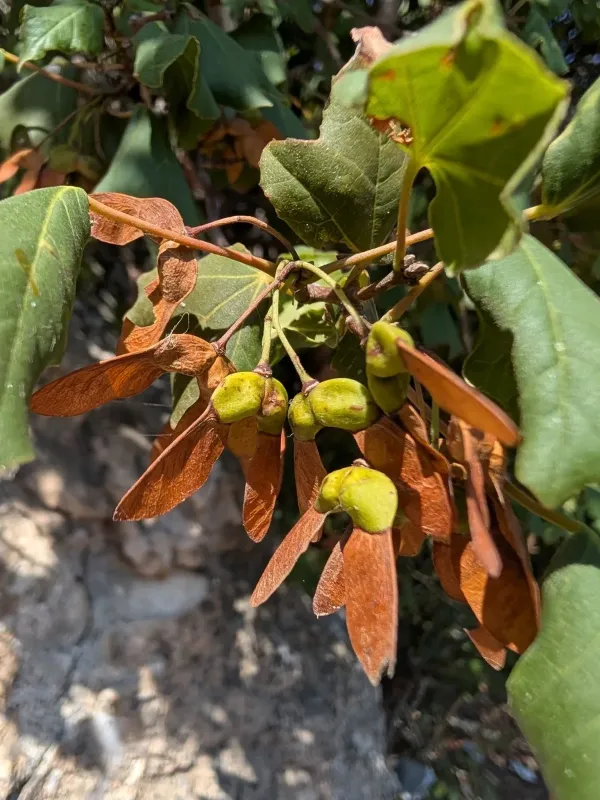
Description
Growing requirements
The Syrian maple (Acer syriacum) belongs to the Sapindaceae family and is a distinctive deciduous species native to the Eastern Mediterranean, particularly in Syria, Lebanon, and Turkey. It typically grows as a small tree or a large shrub in rocky mountain habitats.
This species is well-adapted to Mediterranean climates characterized by long, hot, dry summers and mild, wet winters. Its natural resilience makes it an excellent candidate for xeriscaping and sustainable landscaping in arid zones.
The plant requires well-drained, lime-rich soils to thrive. It is notably intolerant of waterlogged soil conditions, which can lead to rapid root decay, therefore high drainage capacity of the planting site is an essential prerequisite for successful growth.
Cultivation practices involve selecting locations with full sun to light shade. While the species is drought-tolerant once established, providing regular irrigation during the first two to three years of life is crucial for ensuring the development of a robust root system.
In terms of practical usage, the Syrian maple serves mainly as a decorative plant in gardens and parks. It is highly valued for its unique foliage and its capacity to maintain an attractive appearance without the intensive water requirements of other maple species.
Main diseases and pests
The primary pathological threat to the Syrian maple is Verticillium wilt, a soil-borne fungal disease that affects the vascular system. Maintaining soil health and avoiding mechanical damage to the roots during maintenance are critical preventive strategies.
Aphids and various leaf-chewing insects are common pests that may infest the foliage during the growing season. Early detection and the application of integrated pest management are recommended to keep the tree healthy and aesthetically pleasing.
Powdery mildew can occasionally affect the leaves if the tree is planted in an area with poor airflow or high humidity levels. Ensuring sufficient spacing between individual trees facilitates natural ventilation and reduces the risk of fungal outbreaks.
Late spring frosts can potentially damage tender new growth, especially in young saplings. Planting the maple in a location shielded from severe north winds can help mitigate the impact of unpredictable thermal fluctuations.
Despite these challenges, the Syrian maple is generally considered a low-maintenance tree when planted in its preferred environmental conditions, demonstrating high adaptability to the ecological pressures of its native range.