
Waterleaf
Talinum fruticosum (L.) Juss.
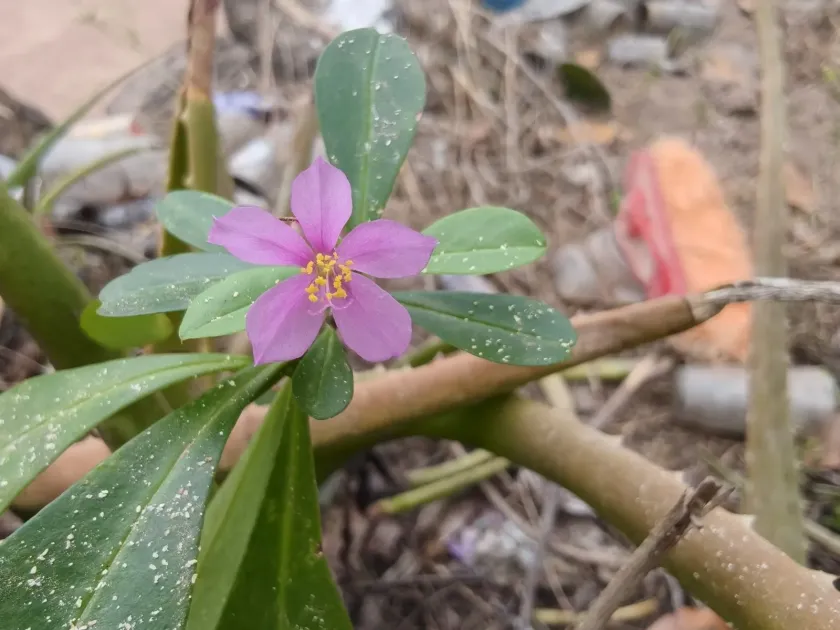
Description
Sowing dates
Waterleaf, known botanically as Talinum fruticosum, is an herbaceous perennial plant belonging to the Talinaceae family, widely grown in tropical regions.
The plant is typically propagated by seeds or stem cuttings, which are planted directly into well-prepared seedbeds or nursery trays before transplanting.
Seeds are very fine, so they should be sown shallowly, often mixed with sand to ensure even distribution during the planting process.
Germination typically occurs within 7 to 14 days under optimal temperature conditions, which range between 25 and 30 degrees Celsius.
Adequate spacing, usually around 20–30 cm between plants, is essential to allow for proper air circulation and to prevent the development of diseases.
Growing requirements
Waterleaf thrives best in fertile, loamy soils that are rich in organic matter and possess excellent moisture-retention properties for optimal growth.
While the plant is somewhat tolerant of partial shade, it produces the highest biomass yields when grown under full sun exposure in warm climates.
Regular irrigation is vital for this crop; consistent moisture levels ensure that the leaves remain succulent and tender, which is crucial for marketability.
The soil should have a slightly acidic to neutral pH, typically ranging from 6.0 to 6.8, to facilitate the absorption of essential macro and micronutrients.
Protection from extreme wind and freezing temperatures is necessary, as the plant is tropical in origin and highly susceptible to cold damage.
Yield
The crop is highly productive, offering multiple harvests throughout its life cycle through the technique of regular stem pruning and thinning.
Waterleaf is a nutritional powerhouse, known for its high content of vitamins A, C, and essential minerals like iron, making it a popular leafy vegetable.
It is widely used in stews, soups, and traditional salads, serving as a vital component of food security in many warm-climate regions globally.
Proper fertilizer management, especially the application of nitrogen-rich compost or manure, can significantly boost the leaf yield per hectare.
On average, intensive cultivation can yield substantial amounts of green leaves, provided the plant is kept in an active state of vegetative growth.
Main diseases and pests
Fungal pathogens such as leaf spot or damping-off can be significant issues, especially in high-humidity environments with poor drainage.
Common insect pests include aphids and mites, which can infest the succulent foliage and weaken the plant if left uncontrolled for too long.
Integrated pest management, including crop rotation and the use of botanical insecticides, is recommended to keep the harvest safe for human consumption.
Keeping the plantation free from weeds is also important to prevent competition for nutrients and to reduce hiding spots for harmful insect species.
Monitoring the undersides of the leaves regularly allows farmers to detect and address infestations early before they become widespread across the field.
Harvesting
Harvesting usually commences about 6 to 8 weeks after planting when the plants have reached a height of approximately 20–30 centimeters.
The harvesting process involves cutting the stems with a sharp knife, leaving a few nodes near the base to encourage regrowth and lateral branching.
Harvesting early in the morning is highly recommended to ensure the highest turgidity and shelf life of the leaves before they reach the market.
Once harvested, the leaves are perishable and should be handled with care, kept out of direct sunlight, and cooled as soon as possible.
Under favorable conditions, a single planting can provide repeated harvests for several months, making it an efficient crop for small-scale farmers.