
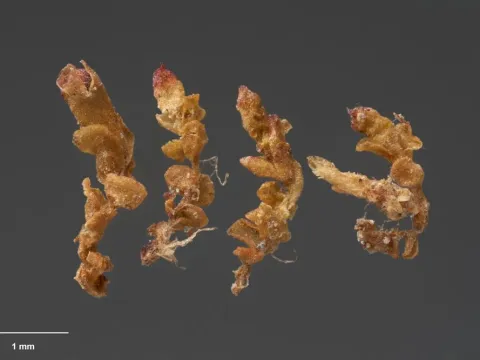
Solenostoma
Solenostoma
Solenostoma is a genus of liverworts belonging to the family Solenostomataceae. These are non-vascular spore-bearing plants that occupy specific ecological niches in temperate and tropical environments worldwide.
What the section contains


Solenostoma
In terms of habitat, these plants are strictly associated with moist environments. They are typically found on wet rocks, along stream banks, and in humid forest floors where atmospheric humidity remains high throughout the year.
Botanically, they are characterized by their simple structure, consisting of leafy stems that spread across surfaces. They lack true roots, using rhizoids to anchor themselves to the substrate, absorbing water directly through their tissues.
Climate requirements for Solenostoma include cool to moderate temperatures and protection from direct sunlight. They thrive in shaded areas where evaporation rates are low, ensuring the survival of their gametophytes.
They are not a cultivated crop, but they are recognized by botanists as essential bioindicators. Their presence or absence in an area often signals the long-term moisture status of the micro-habitat.
The primary threat to the stability of Solenostoma populations is the loss of native habitats due to deforestation and the subsequent increase in local temperature.
Water pollution significantly impacts the viability of these plants, as they are highly sensitive to mineral imbalances and chemical contaminants present in stream water.
Drought conditions pose the most immediate danger to the survival of these colonies, as they have limited mechanisms for water storage during prolonged dry periods.
Invasive vascular plant species can outcompete liverworts by changing the soil composition or blocking necessary light, eventually leading to local extinction.
Finally, physical destruction caused by land clearing or excessive human foot traffic in sensitive riparian zones can destroy colonies that take decades to establish.