
Solenostoma gracillimum
Solenostoma gracillimum
Description
Growing requirements
Solenostoma gracillimum is a species of liverwort belonging to the family Solenostomataceae. While not a conventional agricultural crop, it is a significant species in the study of bryophytes and serves as an important biological indicator for ecosystem stability.
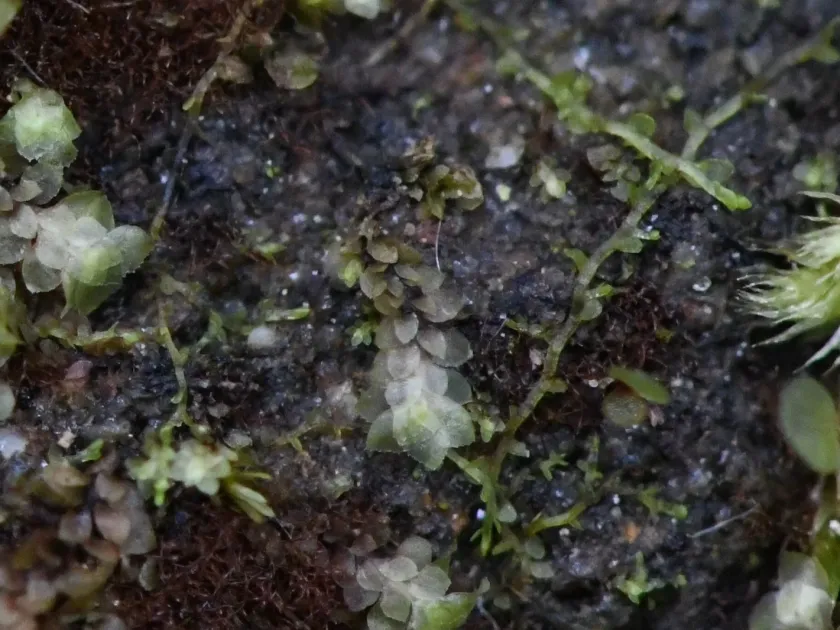
Botanically, this liverwort is characterized by its compact, leafy stems that typically form dense, reddish-brown patches on the ground. The leaves are rounded, providing a distinctive appearance that differentiates it from other common bryophyte species in the same habitat.
The plant thrives primarily in moist, mineral-rich substrates such as sandy soils, clay banks, and exposed ground. It is frequently found colonizing disturbed sites where competition from vascular plants is minimal, playing a key role in primary succession and soil stabilization.
Climatic requirements for Solenostoma gracillimum focus on high atmospheric humidity and moderate temperatures. The plant is particularly sensitive to desiccation, requiring constant moisture availability in its immediate environment to maintain physiological activity.
From an ecological standpoint, it is a pioneer species that prepares the soil for colonization by other plant species. Its ability to absorb nutrients directly from the air and water makes it highly sensitive to pollutants, often serving as a bio-indicator for air and soil quality.
Main diseases and pests
The primary threats to Solenostoma gracillimum populations include habitat fragmentation and physical disturbance of the soil surface due to intensive land use.
Chemical contamination, specifically from excessive agricultural run-off containing nitrogen or pesticides, can lead to localized extinction of sensitive colonies.
Fungal pathogens represent a biological risk, especially in environments where poor drainage leads to stagnant water and anaerobic conditions around the plant clusters.
Climate change, manifesting as prolonged droughts or unpredictable rainfall patterns, poses a significant threat to its survival by disrupting the delicate moisture balance required for spore germination.
Competition from invasive plant species that rapidly cover ground areas can outcompete the liverwort for light and space, leading to the collapse of local population clusters.