
Solenostoma hyalinum
Solenostoma hyalinum
Description
Growing requirements
Solenostoma hyalinum belongs to the Jungermanniaceae family and is a type of liverwort. It is important to clarify that this organism is not an agricultural crop; rather, it is a wild bryophyte that plays a specialized role in maintaining local ecosystem moisture balance.
The plant strictly requires high humidity and shaded environments to survive. It is frequently found growing on moist rock faces, along the edges of mountain streams, and in locations with persistent groundwater seepage. It serves as an indicator of stable micro-hydrological conditions.
Its geographical distribution spans temperate regions of the Northern Hemisphere. The plant thrives on acidic mineral substrates, often colonizing bare earth or stones where competition from higher vascular plants is naturally limited by the wet conditions.
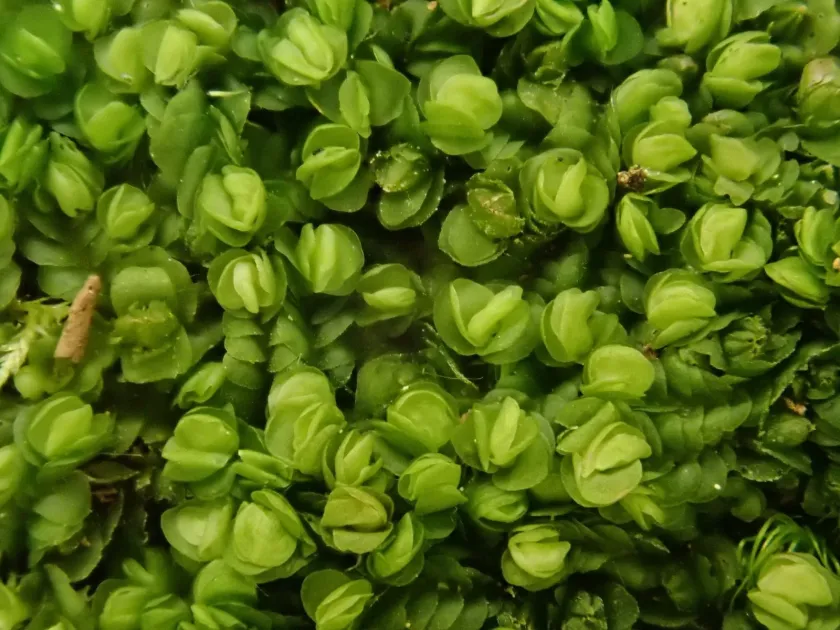
Botanically, the plant consists of prostrate stems with leaves featuring a distinct hyaline (translucent) margin, which is the key diagnostic feature for identification. Its cells are rich in oil bodies, which serve as a physiological adaptation for metabolic efficiency.
There are no commercial cultivation practices for this species, as it is strictly a wild organism. Management strategies are focused entirely on conservation, ensuring that riparian zones remain undisturbed and that water quality remains free from synthetic fertilizers or pollutants.
Main diseases and pests
The primary threats to Solenostoma hyalinum include deforestation, which alters microclimate humidity, and the drainage of wetlands. Additionally, industrial pollution and excessive nutrient runoff into water sources can destabilize the sensitive habitats this liverwort requires for growth.