
Solenostoma tetragonum
Solenostoma tetragonum
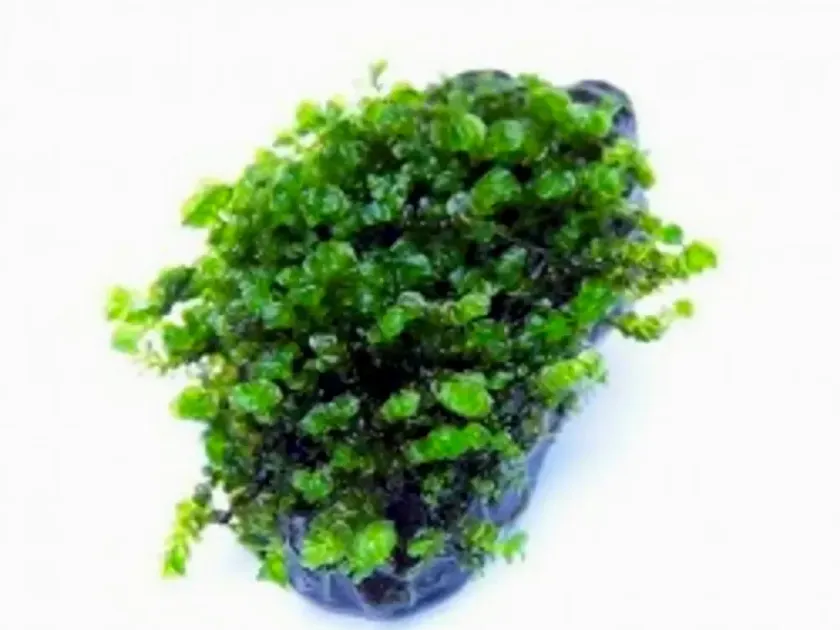
Description
Growing requirements
Solenostoma tetragonum is a specific liverwort species belonging to the Jungermanniaceae family. While not a conventional agricultural crop, it is a significant organism in botanical studies and serves as a bioindicator for high-quality, undisturbed natural environments.
This species primarily inhabits humid environments characterized by high air moisture content. It is commonly found on damp rocks, stream banks, and in forest areas where shade is consistent, providing a stable microclimate for its delicate tissues.
The substrate requirements for Solenostoma tetragonum are quite specific. It requires acidic soils or rocky surfaces that are free from high mineral concentrations. Nutrient-poor environments are actually beneficial for this species, as it is adapted to survive with minimal mineral intake.
Light exposure must be carefully managed. This liverwort thrives in partial shade or filtered light conditions. Direct sunlight will rapidly dehydrate the plant, damaging its chloroplasts and potentially leading to the loss of its vegetative structure within a short period.
Cultivation attempts require a high level of humidity control. When grown in artificial conditions, researchers use peat-based mixtures with excellent drainage to ensure the plant does not succumb to anaerobic conditions caused by waterlogging, despite its affinity for moisture.
Main diseases and pests
The most critical threat to Solenostoma tetragonum is habitat degradation, particularly the drying out of riparian zones and wetlands. Climate change, which alters precipitation patterns, poses a major risk to its survival in traditional ranges.
Eutrophication is detrimental to this species. The introduction of fertilizers or nutrient runoff into its habitat creates an environment where more aggressive plant species outcompete the liverwort, leading to its eventual displacement.
Atmospheric pollutants are highly toxic to this liverwort. As a bryophyte with no cuticle to protect its tissues, it absorbs chemical compounds directly from the air, making it extremely vulnerable to sulfur dioxide and heavy metal deposition.
Fungal pathogens can become an issue when the plant is overcrowded or lacks sufficient air circulation. Stagnant humidity promotes the growth of mold and decay, which can rapidly spread through a cluster of liverworts.
Effective management and protection require maintaining ecological integrity. This means avoiding the use of pesticides and synthetic chemicals in surrounding areas, as even trace amounts can interfere with the physiological processes of the plant.