
Schwenckia americana
Schwenckia americana
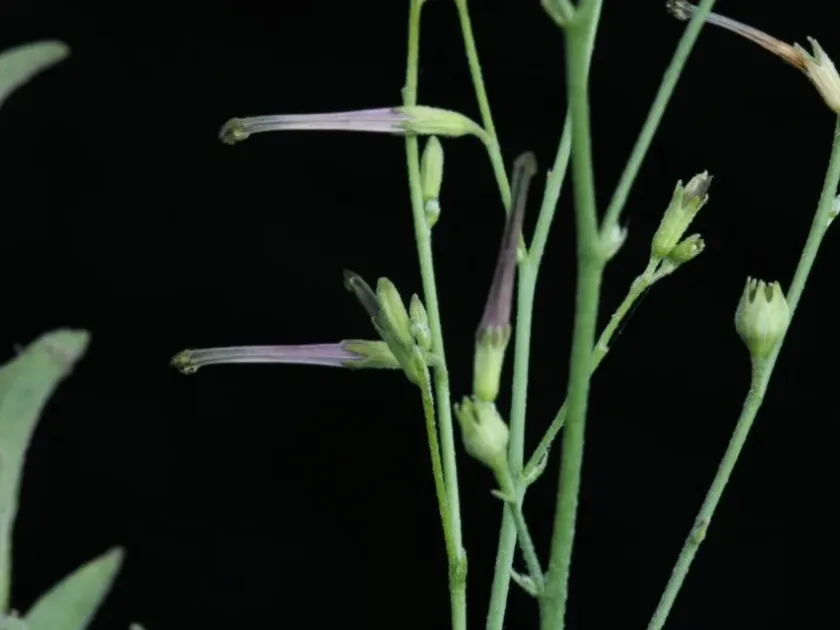
Description
Growing requirements
Schwenckia americana is a herbaceous plant species belonging to the Solanaceae family. While it remains a niche crop compared to major agricultural staples, its distinct botanical profile makes it a subject of interest for specialized plant production.
The plant originates from the tropical regions of the Americas. Its natural distribution covers a vast range of environments, where it has adapted to warm, humid conditions that provide a stable, year-round growing season for its vegetative development.
Botanically, Schwenckia americana is characterized by an erect stem, simple leaves, and a specific inflorescence structure. The plant's life cycle is strictly regulated by environmental cues, requiring precise temperature management for optimal growth stages.
Regarding soil requirements, the plant thrives in well-drained, fertile substrates. Poor drainage is a significant limiting factor; therefore, farmers must ensure that the soil structure provides adequate aeration to prevent root hypoxia and subsequent physiological stress.
Climate demand is high, as the species is sensitive to cold snaps and frost. It performs best in conditions that mimic its native tropical habitat: consistent warmth combined with moderate but predictable precipitation levels throughout the growing season.
Main diseases and pests
The primary threats to the health of Schwenckia americana include fungal pathogens that target the root and stem vascular systems. These infections are often triggered by improper moisture management or excessive humidity levels in the planting environment.
Common insect pests include aphids and mites, which can cause significant damage to the plant's foliage. These pests often proliferate under drought conditions or when the plant’s natural resistance is compromised by nutritional imbalances.
Effective management requires a proactive approach to sanitation. Removing crop debris and managing weed populations are essential practices to break the life cycle of common agricultural pests that affect the Solanaceae family.
Soil-borne diseases are managed through rigorous crop rotation schedules. Growing Schwenckia in fields that have not hosted other Solanaceae for several years is the most reliable way to maintain a healthy crop stand without excessive chemical input.
Integrated pest management (IPM) protocols should be established to minimize reliance on synthetic pesticides. Monitoring for early signs of infection and applying targeted treatments ensures both the safety of the crop and the environmental sustainability of the farm.