
Schizanthus pinnatus
Schizanthus pinnatus Ruiz & Pav.
Description
Sowing dates
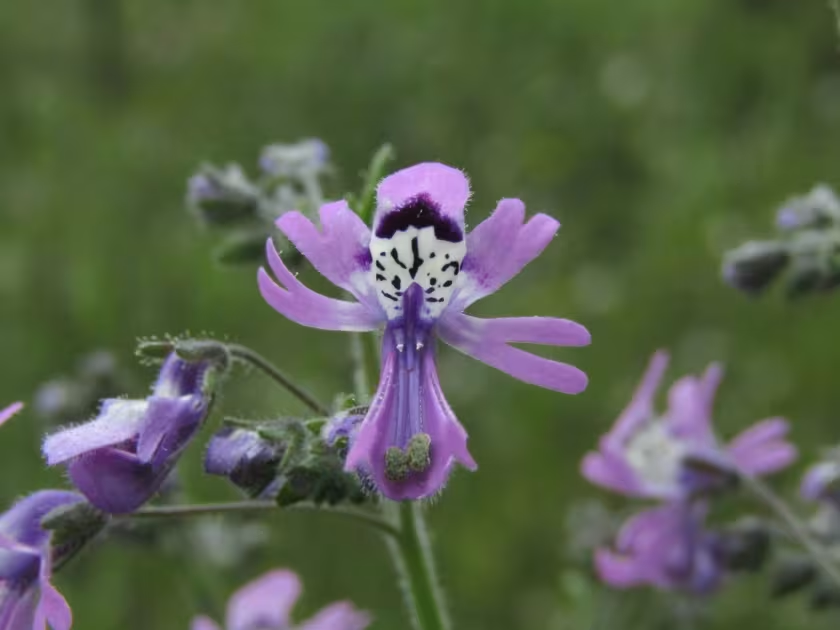
Schizanthus pinnatus, belonging to the Solanaceae family, is a delicate annual widely admired for its intricate, orchid-like flowers, which have earned it the nickname butterfly flower.
For optimal results, seeds should be sown indoors in late winter or early spring; they require surface sowing as they need light to germinate efficiently.
The seedlings are sensitive to transplanting, so it is highly recommended to use biodegradable peat pots to avoid disturbing the root system during the final placement.
The hardening-off process is crucial before moving the plants outdoors, as they must be acclimated to outdoor conditions gradually to survive the transition.
Direct sowing in the garden is possible only in regions with long, cool spring seasons, as high temperatures often inhibit germination and early growth of this species.
Growing requirements
This crop thrives in cool, temperate climates and performs best when planted in sites with bright light but protection from the intense heat of the midday sun.
Well-drained, fertile soil is a strict requirement for Schizanthus pinnatus; waterlogged soil is the primary cause of root rot and overall plant failure.
Consistent moisture is necessary throughout the growing season, but the soil surface should be allowed to dry slightly between watering sessions to prevent fungal development.
In terms of nutrition, a balanced liquid fertilizer applied every two weeks helps promote dense flowering without encouraging excessive vegetative growth at the expense of blossoms.
Since the stems are relatively brittle, providing support or planting in sheltered locations is essential to prevent wind damage during heavy flowering periods.
Main diseases and pests
Common pests affecting Schizanthus pinnatus include aphids, whiteflies, and spider mites, which can rapidly diminish the aesthetic appeal of the plant during dry spells.
Fungal issues, particularly gray mold (Botrytis) and stem rot, are frequent problems when air circulation is poor or when leaves remain wet for extended periods.
Integrated pest management, including regular inspection and the use of appropriate horticultural oils or soaps, is effective in maintaining plant health.
Avoid overhead watering to minimize the risk of pathogen transmission; instead, direct water to the soil base to keep the foliage dry.
If an infestation becomes severe, systemic insecticides may be required, but they should be used sparingly to protect beneficial insects in the garden.
Harvesting
Schizanthus is primarily grown as a decorative ornamental, suitable for container gardening, hanging baskets, and as a filler in formal flower beds.
When used as a cut flower, stems should be harvested when at least half of the blooms are open, and stems should be placed immediately into clean, cool water.
Regular deadheading of spent blossoms is a critical maintenance task that keeps the plant productive and prevents it from shifting energy toward seed production.
Seeds can be harvested in late summer once the pods turn brown and begin to dry out; store them in a cool, dark place to maintain viability for the following year.
Proper harvest and post-harvest management ensure that the plant continues to provide high-quality floral displays throughout its relatively short life cycle.