
Dunalia ramiflora
Dunalia ramiflora
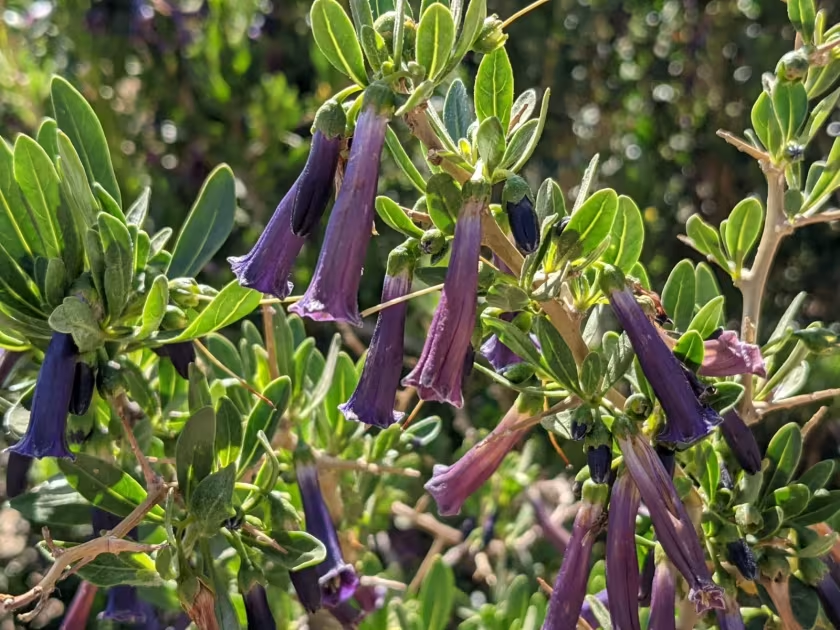
Description
Growing requirements
Dunalia ramiflora is a perennial shrub belonging to the Solanaceae family, closely related to common garden crops like potatoes and peppers. It is primarily valued for its distinct botanical properties and chemical composition.
The plant originates from the Andean regions of South America, where it thrives in high-altitude environments. This evolutionary background makes the species well-adapted to cooler temperatures and consistent, moderate soil moisture levels.
For successful agricultural production, Dunalia requires well-drained, nutrient-rich soil. Farmers should aim for a slightly acidic to neutral substrate, ensuring that the root zone is protected from waterlogging, which can lead to rapid decay.
Climate requirements include exposure to ample sunlight. While the plant can tolerate partial shade, maximum yield and vigor are typically achieved under full sun conditions, provided the ambient humidity is kept at moderate levels.
The primary use of this crop is in the development of bioactive compounds. Ongoing research focuses on its pharmacological applications, making it an emerging candidate for specialized industrial cultivation in suitable climates.
Main diseases and pests
Common pests include the Colorado potato beetle and various aphid species, which thrive on the foliage of Solanaceae family members. Integrated pest management (IPM) is essential to maintain plant health throughout the season.
Fungal pathogens such as late blight pose a significant risk during rainy seasons or periods of high humidity. Proactive fungicide applications and ensuring proper airflow between plants are standard industry practices.
Root rot is a common issue resulting from over-irrigation or heavy, poorly drained soil. Maintaining an optimal irrigation schedule and physical soil aeration are critical for preventing subterranean diseases.
Viral infections, often spread by sucking insects, can cause stunting and reduced crop quality. Controlling the insect vector population is more effective than trying to treat the viruses once they have established in the plant tissue.
Soil-borne pathogens can be mitigated through strict crop rotation protocols. Avoiding sites previously planted with other solanaceous crops helps break the cycle of infection and preserves the long-term viability of the field.