
Cyphomandra physaloides
Cyphomandra physaloides
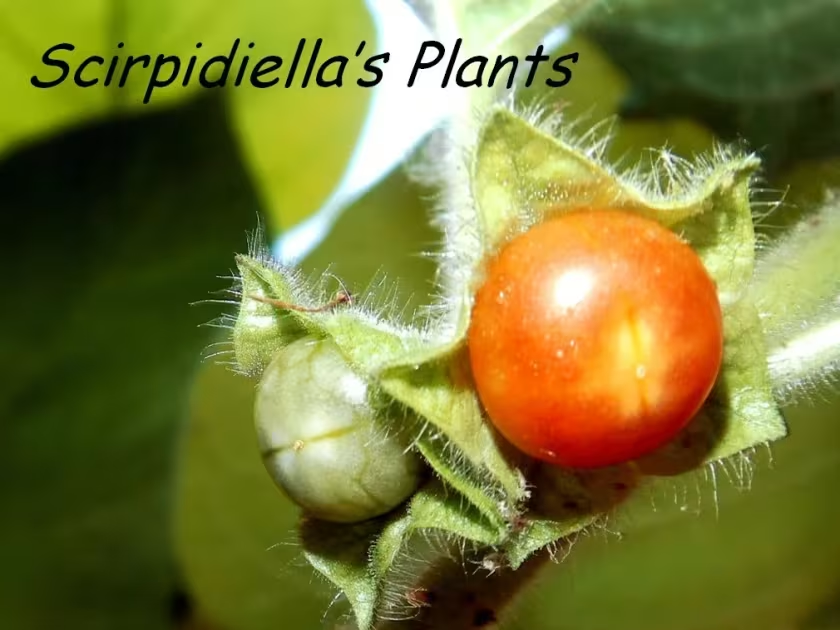
Description
Sowing dates
Cyphomandra physaloides is a member of the Solanaceae family, known for its rapid growth in favorable climates when cultivated from high-quality seeds.
Sowing should ideally begin in late winter, indoors, to provide the seedlings with a sufficient head start before the onset of the outdoor growing season.
The seeds require a well-draining, nutrient-rich potting medium and should be kept at a steady temperature of +22...+25 degrees Celsius for successful germination.
Transplanting seedlings into individual pots is recommended once the first true leaves have developed to encourage a robust root system.
Only after the last frost has completely passed should the hardened seedlings be transferred to their permanent location in the garden or greenhouse.
Growing requirements
This crop thrives in environments with high light intensity, necessitating a site that receives full sun exposure throughout the majority of the day.
Soil requirements include excellent drainage, a neutral to slightly acidic pH level, and a generous incorporation of organic matter to support growth.
Consistent watering is essential, yet it must be carefully managed to avoid waterlogging, which can rapidly damage the root structure of the plant.
Protection from extreme temperature fluctuations and strong winds is necessary, as the plant's succulent tissues are sensitive to environmental stress.
Fertilization with a balanced NPK ratio during the vegetative stage, followed by increased potassium levels during flowering, ensures optimal health.
Yield
The yield of Cyphomandra physaloides is highly dependent on climate conditions and the effectiveness of the chosen agricultural management practices.
The fruits, which possess unique organoleptic properties, are usually ready for harvest over an extended period rather than all at once.
Under professional cultivation techniques, the plants can produce a steady supply of fruits, making them a viable option for small-scale production.
Fruit quality is determined by the balance of moisture and heat during the ripening phase, which influences the final sugar content of the berries.
Proper harvesting management is vital to maximize the total seasonal output and ensure that the plants remain productive for as long as possible.
Main diseases and pests
Common pests include spider mites, whiteflies, and the Colorado potato beetle, all of which are known to infest plants within the Solanaceae family.
Fungal diseases, particularly blight and root rots, pose the most significant threat, especially if humidity levels are not properly controlled.
Integrated pest management strategies are advised, including the use of biological controls and regular monitoring of plant health throughout the season.
Strict hygiene in the growing area, including the removal of debris and weed control, is essential for mitigating the spread of viral pathogens.
Preventative measures such as proper spacing between plants are crucial to ensure adequate airflow and lower the incidence of common agricultural diseases.
Harvesting
Harvesting is performed manually, selecting berries that have reached the appropriate stage of maturation as indicated by their color change.
Great care must be taken during the harvest to ensure the fruit stalks are cut cleanly, preventing mechanical damage to the delicate skin of the berry.
Once harvested, the produce should be placed in shallow crates and kept in a cool, dark environment to maintain its freshness and shelf life.
Sorting the fruits by size and degree of ripeness is recommended before storage to prevent spoilage of the entire batch from damaged units.
Properly handled fruit can be transported and stored effectively if the cold chain or optimal cooling conditions are maintained post-harvest.