
Cyphomandra corymbiflora
Cyphomandra corymbiflora
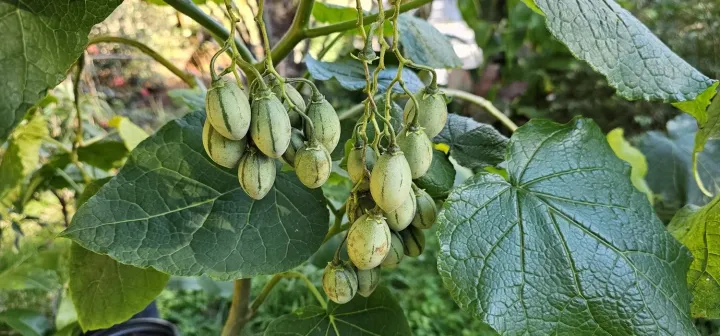
Description
Sowing dates
Cyphomandra corymbiflora is a distinctive member of the Solanaceae family, primarily propagated through seeds. The cultivation process begins in a controlled environment, such as a greenhouse or a nursery, to ensure high germination rates.
Sowing should take place in late winter or early spring using a well-draining, nutrient-rich substrate. Seeds are typically planted at a depth of approximately 0.5 to 1 cm to promote optimal emergence.
Maintaining a constant soil temperature between 22–25 degrees Celsius is critical for success. Using a heating mat can significantly improve germination uniformity and reduce the time required for sprouts to appear.
Seedlings should be transplanted into individual pots once the first true leaves have developed. Careful handling of the root system during this stage is essential to prevent transplant shock and ensure steady development.
Hardening off the plants before transferring them to their final growing location is a necessary practice. Gradually exposing the plants to outdoor conditions helps them adapt to wind, temperature variations, and sunlight intensity.
Growing requirements
This species thrives in locations with bright, indirect sunlight. While it appreciates warmth, it is sensitive to intense, direct afternoon sun, which can scorch its large, broad leaves.
Consistent soil moisture is essential for healthy growth, yet waterlogging must be avoided at all costs. The soil should remain moist but well-aerated to prevent root rot, which is common in compacted soils.
The ideal temperature range for active growth is 20–28 degrees Celsius. If cultivated in regions with harsh winters, it must be treated as a container plant and brought indoors to a bright, cool area during the dormant season.
Regular fertilization with a balanced liquid fertilizer is recommended during the growing season. A higher potassium content in the fertilizer helps support flower development and overall plant vigor.
Pruning is an important agrotechnical step that encourages a bushier structure. Regular maintenance pruning helps manage the plant size and improves light penetration to the inner branches.
Main diseases and pests
Spider mites are the most frequent pests, especially in indoor environments where the air may be dry. Periodic misting and maintaining adequate humidity levels are effective preventive measures against infestation.
Aphids and whiteflies can infest the undersides of leaves, weakening the plant by draining sap. Monitoring and applying insecticidal soaps or neem oil are standard control methods for these pests.
Phytophthora and other fungal pathogens can cause severe damage under high-humidity conditions. Ensuring proper air circulation between plants is vital to minimize the risk of fungal infections.
Root rot is often the result of improper watering practices. Using well-draining potting media and avoiding standing water in the drainage tray are key to maintaining long-term plant health.
Viral diseases can occasionally affect the foliage, often transmitted by insect vectors. Implementing strict pest management and sanitizing pruning tools can help protect the plant from viral transmission.