
Cyphomandra diversifolia
Cyphomandra diversifolia
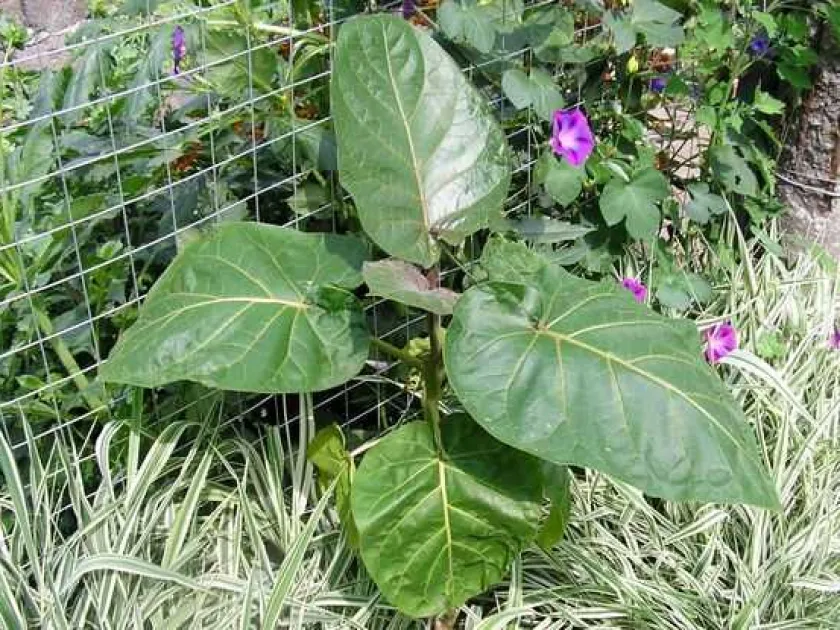
Description
Sowing dates
Cyphomandra diversifolia is a member of the Solanaceae family that requires specific environmental conditions for successful propagation. Due to its tropical origins, the plant must be started from seeds indoors in temperate climates to ensure a sufficiently long growing season.
Sowing should take place in late winter or early spring, typically 8 to 10 weeks before the last expected frost. Seeds germinate best in a warm substrate maintained between 22 and 25 degrees Celsius, requiring high-quality light and moisture levels.
Seedlings are sensitive to transplant shock, so it is recommended to use biodegradable pots or ensure careful root handling during repotting. Gradual hardening-off is essential, allowing the young plants to adjust to outdoor light levels and temperature fluctuations over a two-week period.
Transplanting into the permanent location, whether in a greenhouse or open field, must only occur once soil temperatures consistently exceed 15 degrees Celsius. Cold soil temperatures will stall growth and can lead to irreversible damage to the root system.
Proper spacing between individual plants is vital to allow for adequate ventilation and sunlight penetration. In intensive farming systems, plants are often pruned or trained on trellises to optimize space and simplify the management of foliage and fruit.
Growing requirements
This crop thrives in fertile, well-draining soil with a pH ranging from 6.0 to 7.0. The soil must be rich in organic matter, as the plant has high nutrient requirements to sustain its rapid growth and extensive fruit production throughout the season.
Sunlight is the primary driver of sugar accumulation in the fruits, so selecting a location with full sun exposure is critical. However, in regions with intense summer heat, partial shade during the afternoon hours can protect the plant from heat-induced stress.
Water management is crucial; the plant prefers a consistent moisture level in the root zone. Overwatering should be strictly avoided to prevent root rot, while drought periods can cause significant fruit drop and reduced yield quality.
Temperature control is essential for the reproductive stages of the plant. Temperatures above 30 degrees Celsius often interfere with pollination, leading to blossom drop, while temperatures below 10 degrees Celsius significantly slow down metabolic activity.
Fertilization schedules should include balanced NPK fertilizers with an emphasis on potassium during the fruiting phase. Supplementary micronutrients, particularly magnesium and calcium, help prevent physiological disorders and support the development of high-quality fruit.
Main diseases and pests
Common pests include greenhouse whiteflies and spider mites, which thrive in warm, enclosed environments. Regular monitoring and the introduction of natural predators or organic soaps are effective management strategies for maintaining healthy plant populations.
Late blight and other fungal infections associated with the Solanaceae family pose a serious threat to the crop. Preventive measures include maintaining strict airflow, using drip irrigation to keep foliage dry, and applying copper-based fungicides when humidity levels are high.
Root-knot nematodes can significantly impact yield by damaging the root system, especially in soils that have hosted other nightshades. Implementing crop rotation and soil solarization or using nematode-resistant rootstocks are common agronomic practices to mitigate this risk.
Aphids can transmit viruses, so controlling their populations early in the season is vital for crop health. Sticky traps are useful for identifying the presence of insect populations before they reach economic threshold levels.
- Powdery mildew (managed with sulfur applications).
- Root rot (prevented by improving soil drainage).
- Leaf miners (controlled by physical removal or biological agents).
Harvesting
Harvesting Cyphomandra diversifolia is a multi-step process, as fruits ripen at different times throughout the season. Harvesting typically begins once the skin color changes to a deep, characteristic hue and the fruit feels slightly soft to the touch.
Using pruning shears to cut the fruit stalks is recommended to avoid accidental breakage of the stems. Handling the fruits with care is necessary, as they have a thin skin that is easily bruised, which can affect shelf life and marketability.
The culinary versatility of this fruit allows it to be used in various applications, from fresh consumption to gourmet sauces and jams. Its unique, complex flavor profile makes it a desirable niche crop for high-value agricultural markets.
Post-harvest storage should be done in cool conditions, around 10 to 12 degrees Celsius, to maintain freshness. Proper ventilation in storage areas prevents the buildup of ethylene, which could accelerate decay if not managed correctly.
Late-season fruits that have not fully matured can sometimes be ripened indoors in a warm, dark place. Consistent harvesting throughout the season encourages the plant to continue producing flowers, thereby maximizing the total seasonal yield.