
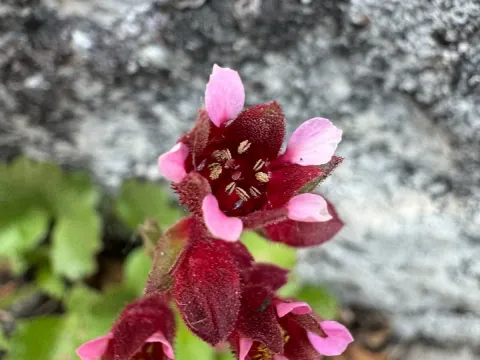
Telesonix
Telesonix
Sowing of the Telesonix crop begins when the soil temperature consistently reaches the required threshold for germination. Optimal planting windows usually align with the middle of the spring season to ensure stable growth.
What the section contains

Telesonix
The recommended sowing depth is precisely controlled to ensure the seed has enough moisture to sprout while remaining close enough to the surface for fast emergence. Modern planters are used to maintain consistent spacing.
Spacing between rows should be maintained according to local soil fertility levels. Proper plant density is vital to avoid overcrowding, which could lead to nutrient depletion and reduced yield per plant.
Once the seeds are placed, the soil is lightly compacted to improve the moisture bridge between the soil particles and the seed coat. This step is essential for uniform crop development.
Initial irrigation might be necessary if the soil moisture level is below the requirement. Proper moisture management during the germination phase defines the overall success of the agricultural season.
Telesonix thrives in well-drained, fertile soil with a neutral pH level. The plant requires a balance of sand and clay particles to ensure both proper drainage and moisture retention during dry spells.
Nutrient management is a priority for high-yield farming. The crop responds exceptionally well to potassium-heavy fertilizers, which support stem strength and fruit maturation during the final stages of growth.
The climatic conditions should be characterized by steady warmth. Significant fluctuations between day and night temperatures can induce plant stress, which requires careful monitoring and potential mitigation strategies.
Aeration of the soil through regular mechanical cultivation is necessary to maintain root health. This also helps in managing weed competition that can otherwise steal valuable resources from the main crop.
Light intensity plays a key role in the plant's metabolic processes. Cultivators should avoid high-density planting in areas where sunlight is limited, as this can stunt development.
Common pests include aphids and specific types of beetles that target the soft foliage of the plant. Monitoring these populations is key to preventing widespread infestations that can damage the yield.
Fungal pathogens pose a constant risk, particularly under conditions of high humidity. Preventive measures include using treated seeds and ensuring that the field has good air circulation throughout the season.
Integrated Pest Management (IPM) practices are encouraged to reduce the need for synthetic chemicals. Using beneficial insects and biological agents can help maintain a natural balance in the field.
Crop rotation is fundamental to reducing the soil-borne disease pressure that Telesonix may face. Avoiding planting in the same spot for multiple years prevents the buildup of host-specific pathogens.
Regular field scouting allows farmers to identify early signs of nutrient deficiencies or pest damage. Rapid intervention is the most cost-effective method to protect the health of the entire field.