
Telesonix jamesii
Telesonix jamesii
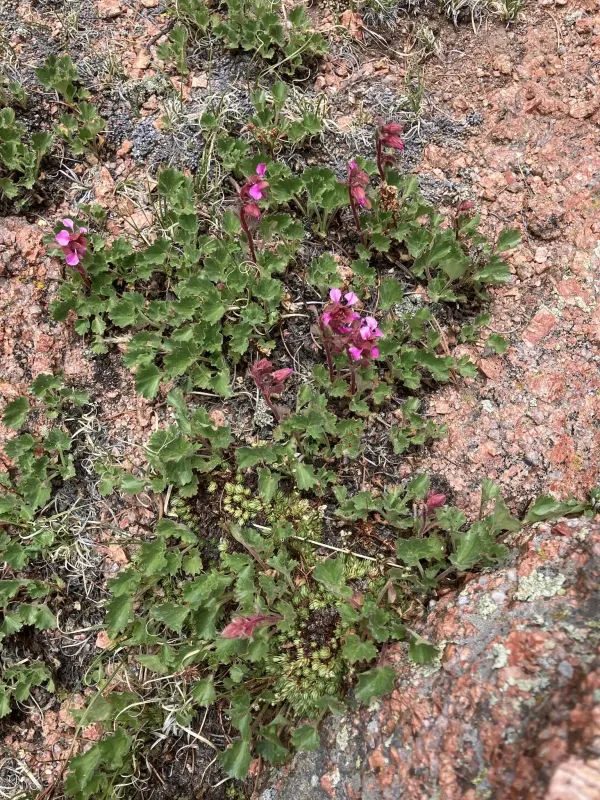
Description
Sowing dates
Propagation of Telesonix jamesii in cultivation is primarily carried out by seeds or vegetatively by dividing the rhizomes. Sowing seeds is recommended during the autumn season, providing stratification in cold conditions for several months.
For successful seed germination, a consistently low temperature and high substrate humidity are required without the risk of waterlogging. Seedlings emerge slowly, making the preparation of a nutrient medium that mimics mountain soil essential.
In vegetative propagation, division of the clump is performed in spring when the plant begins to emerge from dormancy. This allows the divisions to establish themselves before the hot summer months arrive.
Choosing the right planting site is a critical aspect, ensuring that the root system can develop rapidly without competition from faster-growing weeds.
Young plants require regular moderate watering during the first year after planting in open ground, which ensures the formation of a robust root system.
Growing requirements
Telesonix jamesii belongs to the Saxifragaceae family and is an endemic species of rocky high-altitude habitats. The culture prefers a cool climate and does not tolerate prolonged exposure to direct scorching sun during midday hours.
Soils for cultivation must be stony, well-drained, and contain a significant proportion of mineral components. The plant is extremely sensitive to moisture stagnation, which can lead to crown rot.
In its natural habitat, the species develops in rock crevices, so in agricultural practice, it is important to create similar conditions with excellent water runoff. The optimal soil pH is neutral or slightly acidic.
In plains gardening, the plant requires the creation of rockeries or specialized gravel gardens that provide protection against overheating.
Requirements for air humidity are elevated, which is why the culture performs better in regions with moderate precipitation and cool summers.
Main diseases and pests
The primary threat to the plant consists of fungal diseases caused by excessive moisture and a lack of air circulation. Root rots can quickly destroy the specimen if the substrate is improperly selected.
Pest insects, such as spider mites, can affect the leaf blades in conditions of excessively dry air, reducing the plant's aesthetic appeal and overall vitality.
Slugs and snails often pose a danger to young shoots during the spring period, eating the succulent leaves and slowing down the overall development of the crop.
In the winter period, during alternating thaws and frosts, there is a risk of the plants damping off, so the use of a drainage layer made of fine gravel is mandatory.
The use of chemical protection products should be limited, as species adapted to high altitudes are often sensitive to aggressive pesticides.