
Siberian saxifrage
Saxifraga sibirica
Description
Growing requirements
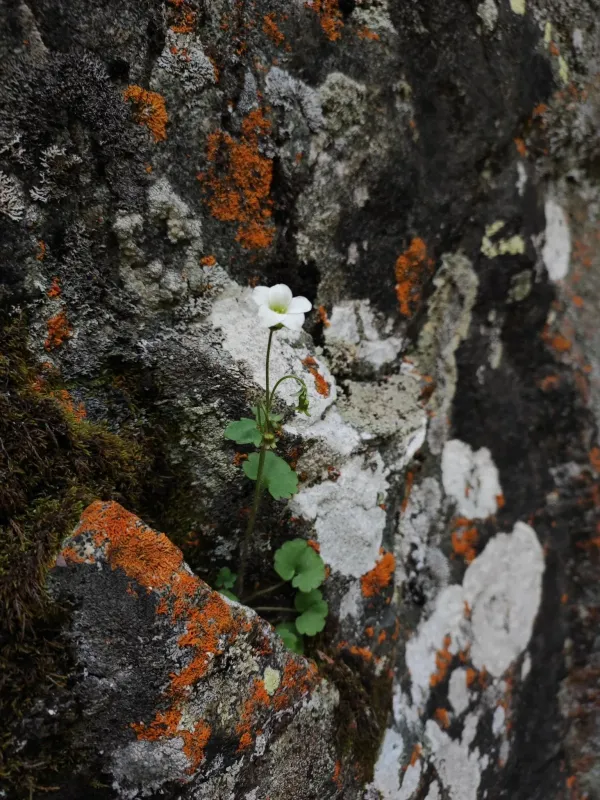
Siberian saxifrage (Saxifraga sibirica) is a perennial herbaceous plant belonging to the Saxifragaceae family. Native to Siberia and neighboring regions, it has adapted to cold climates and rocky, shaded habitats where other plants often struggle to survive.
The plant features small, delicate rosettes of leaves and produces slender stems with white or pale-colored flowers. This morphology makes it highly adapted to high-altitude or northern environments where light is diffused and soil is rocky.
Regarding soil requirements, this culture demands excellent drainage. It thrives in loamy or sandy substrates mixed with grit, which prevents root rot and ensures the roots have access to necessary oxygen even when moisture is present.
Climate preferences for this plant are centered on cool, humid conditions. It is not suitable for hot, arid climates and performs best in locations that are protected from direct afternoon sun, such as north-facing garden slopes.
In terms of agricultural maintenance, it requires minimal intervention once established, provided the site selection is correct. Regular watering is only necessary during extended drought periods to maintain the turgor of the leaves.
Main diseases and pests
The most common disease affecting this species is fungal root rot, which typically develops during prolonged periods of excessive soil moisture. Once the root system is compromised, the plant often cannot be recovered.
Leaf spot diseases can occur during humid, overcast weather. These manifest as dark lesions on the foliage, which can lead to premature leaf drop if not addressed by removing infected parts of the plant.
Pests such as spider mites may become problematic during periods of low humidity. These pests feed on the cell sap, causing the leaves to turn yellow or bronzed, ultimately weakening the perennial plant.
Slugs and snails are major threats to the plant, especially in the spring when new growth is tender. Physical barriers or organic deterrents are effective ways to protect the plant from these mollusks.
To keep the plants healthy, it is essential to ensure adequate air circulation around the rosettes. Avoid overhead watering to reduce the risk of pathogen transmission and leaf disease development.