
Amorphospermum antilogum
Amorphospermum antilogum
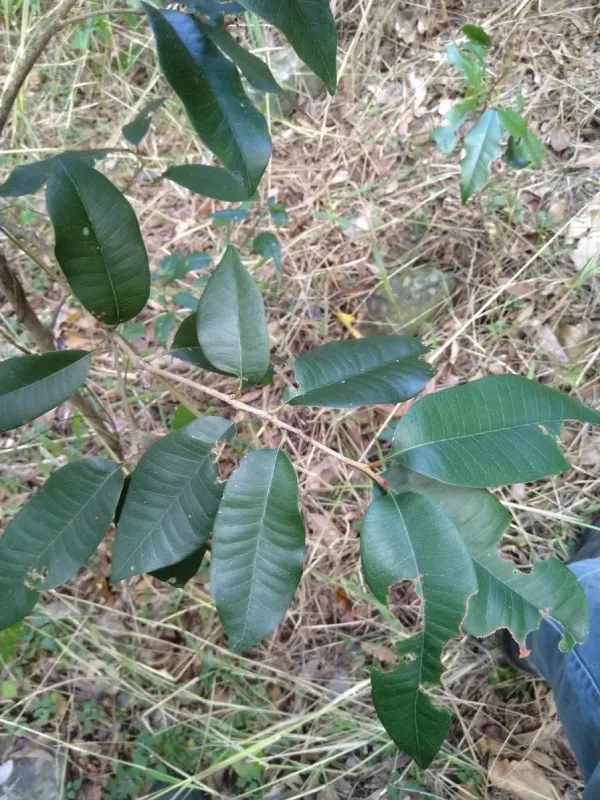
Description
Growing requirements
Amorphospermum antilogum is a distinctive evergreen tree belonging to the Sapotaceae family. It is botanically linked to other tropical fruit-bearing trees and is often classified under the genus Planchonella in modern taxonomy.
The species is native to the tropical rainforests of Australia, particularly in Queensland. It thrives in humid environments with rich, well-drained soils, which are essential for maintaining the tree's vigorous growth and health.
Botanically, the tree features dense foliage with thick, leathery leaves designed to withstand tropical conditions. These trees can grow to significant heights, contributing to the canopy structure of their native forest habitats.
The primary utility of the plant lies in its timber, which is appreciated for its strength and durability. Historically, it has been used in high-quality woodworking, where the hardness of the wood is a distinct advantage.
Beyond its economic value, the tree plays a vital role in the local ecosystem by supporting a variety of avian and insect species. It is a key element of the biodiversity found within Australia's moist tropical forests.
Main diseases and pests
The main threats to Amorphospermum antilogum include habitat loss due to deforestation and land clearing. Fragmented forests are less resilient to changes, which directly impacts the long-term survival of the species.
Root pathogens and fungal diseases pose a risk to the trees when drainage conditions are suboptimal. Proper soil management is critical for any conservation or experimental planting efforts undertaken in the field.
Various insect pests can cause damage to the foliage, though mature trees generally demonstrate a high level of natural resistance. Competition from invasive plant species remains a persistent problem for young seedlings.
Environmental stressors such as extreme drought or storm damage during the cyclone season can severely damage the canopy. These events may require strategic monitoring and management of the affected areas to ensure recovery.
Conservation efforts are currently focused on maintaining the integrity of existing rainforest stands. Protecting these habitats is essential to ensure that this unique botanical species continues to thrive in its natural environment.