
Micromelum minutum
Micromelum minutum
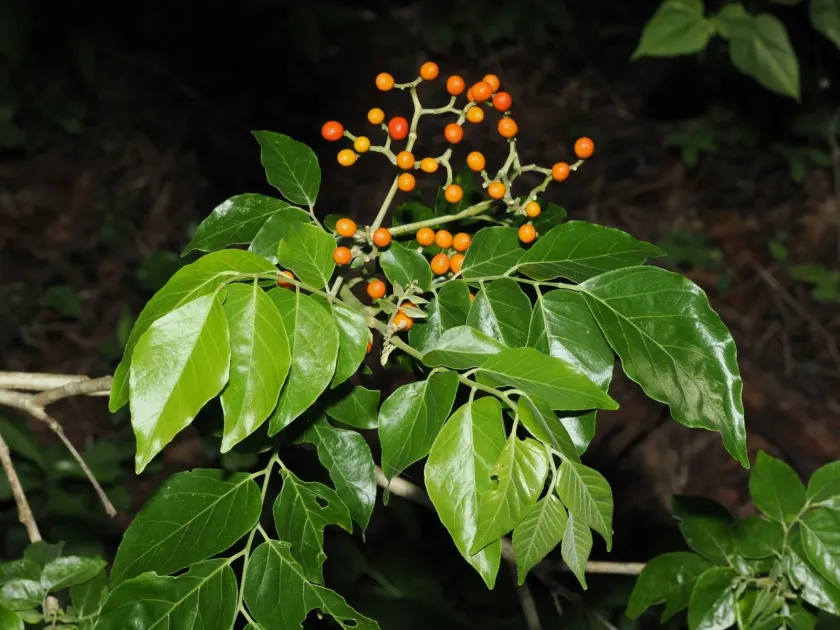
Description
Growing requirements
Micromelum minutum is an evergreen shrub or small tree belonging to the Rutaceae family. It is recognized for its pinnate leaves and fragrant flowers that play a significant role in the biodiversity of tropical ecosystems.
The plant originates from the tropical regions of Southeast Asia, Australia, and the Pacific Islands. It thrives in diverse habitats ranging from coastal forests to inland tropical zones, favoring well-drained soil rich in organic matter.
Cultivation requires a tropical climate with high humidity and consistent warmth throughout the year. The species is not frost-tolerant and demands protection if temperatures drop towards freezing levels, which could cause structural damage.
Agronomic management involves selecting sites with good sunlight exposure, although the plant displays a moderate tolerance for partial shade. Regular moisture management is essential during the initial years of establishment to ensure robust growth.
Economically, Micromelum minutum is widely utilized in folk medicine for its antiseptic and anti-inflammatory properties. Its wood is also occasionally used for small-scale construction or tools due to its density and durability.
Main diseases and pests
Common pests affecting this species include aphids, whiteflies, and scale insects that cluster on the undersides of leaves. These pests can extract plant sap, leading to stunted growth and leaf chlorosis.
Fungal pathogens such as mildew and root rot represent the primary disease threats, especially in humid and poorly ventilated environments. Proper canopy management is essential to reduce these risks.
Weed control around the base of the plant is necessary to minimize competition for nutrients and water, especially for young trees during their active growth phase.
Monitoring the plant for signs of infestation or fungal activity allows for early intervention, often preventing the need for broad-spectrum chemical applications.
Implementing a strict maintenance schedule, including pruning dead wood and debris, is one of the most effective ways to maintain the health and vigor of the tree.