
Melicope incana
Melicope incana
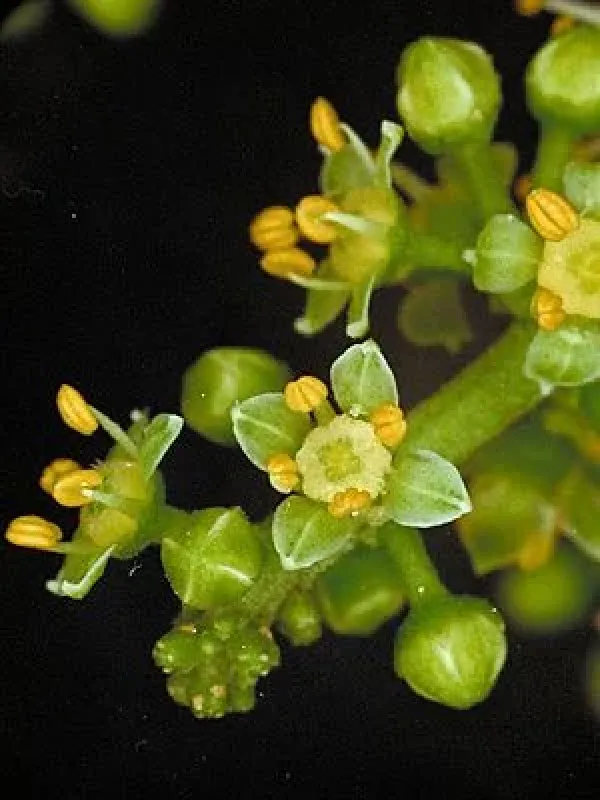
Description
Growing requirements
Melicope incana is a resilient evergreen shrub or small tree belonging to the Rutaceae family. It is recognized for its unique foliage and aromatic properties, which are typical characteristics of many plants within this diverse botanical group.
The plant originates from the tropical and subtropical regions of Australia. In terms of cultivation, it demands a well-draining soil structure rich in organic matter. Waterlogging is detrimental to the plant, so choosing the right substrate is essential for success.
This species flourishes in warm climates with high light intensity. It is not cold-hardy, meaning it requires greenhouse or indoor conditions when cultivated in temperate zones. Protecting it from frost is a priority for any grower in cooler latitudes.
Agricultural management involves routine watering schedules that keep the root zone slightly moist but never soaked. Pruning is necessary to maintain a desirable shape and to encourage the growth of a denser canopy of leaves throughout the season.
Economically, this species is primarily utilized for ornamental landscaping. It serves as an excellent candidate for decorative hedging or as a botanical specimen in conservatories, adding value to horticultural projects in warm-climate regions.
Main diseases and pests
Common pests that may affect Melicope incana include scale insects and mealybugs. These pests are particularly problematic in confined greenhouse spaces where they can spread rapidly if left unchecked by the grower.
Fungal issues, especially root rot, are typically caused by poor soil drainage or excess moisture around the base of the plant. Maintaining optimal air circulation is a primary preventive measure against various foliar fungal pathogens.
Spider mites are another potential threat, especially in environments with low humidity levels. Regular misting of the foliage and keeping the plant in a well-ventilated area can significantly reduce the risk of infestation.
Integrated pest management strategies are recommended, including regular inspections of the underside of the leaves. Removing affected foliage promptly can prevent the further spread of any encountered disease or pest colony.
Overall, providing a stable environment with appropriate sunlight and moisture levels greatly enhances the plant's natural ability to withstand stress and remain healthy throughout its vegetative cycle.