
Crowea angustifolia
Crowea angustifolia
Description
Sowing dates
Propagation of Crowea angustifolia is predominantly achieved through vegetative methods. Softwood or semi-hardwood cuttings are taken in late summer to ensure successful rooting in a controlled environment.
The rooting medium should be composed of well-draining materials such as coarse sand, perlite, and peat moss. Maintaining high humidity and stable temperatures is crucial for the development of healthy roots.
While seed propagation is possible, it is not recommended due to low germination rates and long dormancy periods. Most commercial nurseries prioritize clonal propagation to ensure uniformity among plants.
Young cuttings should be protected from direct sunlight until they are fully established. Once rooted, they are potted into individual containers with a high-quality, acidic potting mix.
Careful attention during the weaning process is essential to ensure that young plants survive the transition from a propagation chamber to standard greenhouse conditions.
Growing requirements
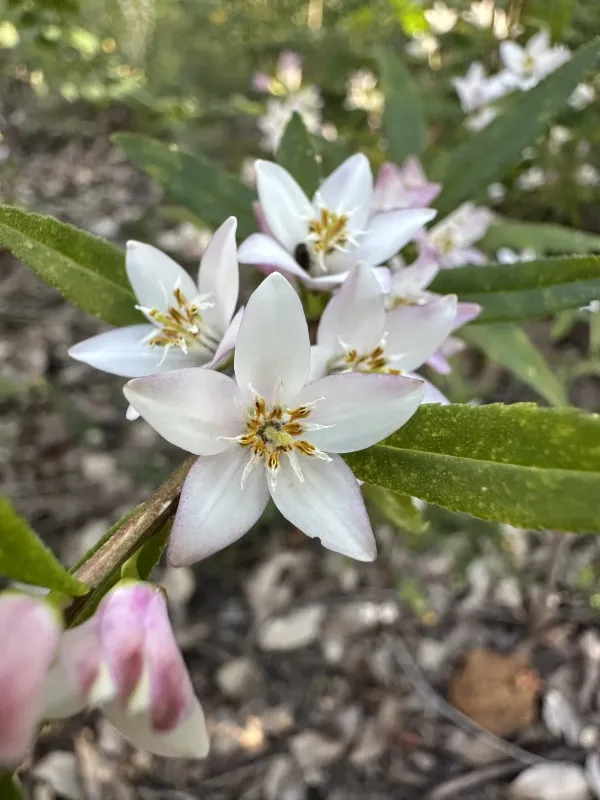
Crowea angustifolia belongs to the Rutaceae family and is native to Western Australia. It is a compact evergreen shrub favored for its star-shaped flowers and slender foliage.
The plant thrives in well-drained, acidic soil. It is highly sensitive to root rot, which makes soil structure and drainage the most important factors in successful cultivation.
Light requirements include semi-shade or dappled sunlight. While it can handle some morning sun, exposure to intense midday heat should be avoided to prevent leaf scorching and desiccation.
Climate needs are specific: it prefers moderate humidity and protection from severe frosts. In colder climates, it is best grown as a container plant that can be moved indoors during winter.
Irrigation must be precise; the soil should remain moist but never waterlogged. Fertilization should be light, utilizing low-phosphorus fertilizers to avoid damaging the sensitive root system.
Main diseases and pests
Phytophthora root rot is the most serious threat to the species, particularly in poorly drained soils. Prevention involves using sterile substrates and avoiding over-irrigation at all costs.
Powdery mildew can occur in areas with poor air circulation or high humidity. Maintaining spacing between plants and keeping the foliage dry helps reduce the incidence of fungal issues.
Pests such as scale insects and spider mites may infest the plant, especially when it is stressed or kept in dry indoor environments. Regular inspections are necessary for early detection.
Soil-borne larvae can occasionally damage the roots, leading to stunted growth or decline. Using high-quality mulch and preventing stagnant water helps create an environment less favorable to pests.
Overall plant health is best maintained by mimicking its natural habitat, which involves steady airflow and light, consistent moisture levels without extreme shifts in temperature.
Harvesting
In the floral industry, Crowea angustifolia is harvested for its attractive, long-lasting flowers. Stems are cut when the blooms are fully developed to maximize their vase life.
Tools used for harvesting should be sharp and sanitized to prevent the transmission of pathogens between plants. Clean cuts facilitate faster healing of the shrub's stems.
After harvesting, the plant should be pruned to maintain its compact shape and encourage secondary branching. This maintenance practice ensures higher productivity in the subsequent season.
Post-harvest care includes immediate placement in clean water and keeping the stems away from direct sunlight to preserve the vibrant color of the petals.
Regular maintenance pruning is essential for commercial growers to balance the vegetative growth with the production of high-quality floral stems throughout the flowering season.