
Persian lime
Citrus latifolia (Yu. Tanaka) Tanaka
Description
Growing requirements
Persian lime, scientifically known as Citrus latifolia, is a significant member of the Rutaceae family. It is a hybrid citrus crop widely valued for its seedless fruits and commercial durability.
The tree thrives in tropical and subtropical climates, requiring consistent temperatures between +22 and +30 degrees Celsius. It is relatively cold-sensitive and requires protection from frost.
Ideal soil for cultivation should be well-drained, fertile, and slightly acidic. Excessive soil moisture must be prevented, as it is a primary cause of root-related diseases in citrus orchards.
Optimal growth requires full sun exposure. In shaded environments, the tree may show reduced foliage density and significantly lower fruit yields over time.
Agronomic management involves periodic nitrogen-rich fertilization and consistent irrigation during the dry season to ensure continuous plant development and fruit quality.
Yield
The productivity of a Persian lime tree depends on its maturity and the quality of maintenance. When managed properly, it can provide multiple harvest cycles throughout the year.
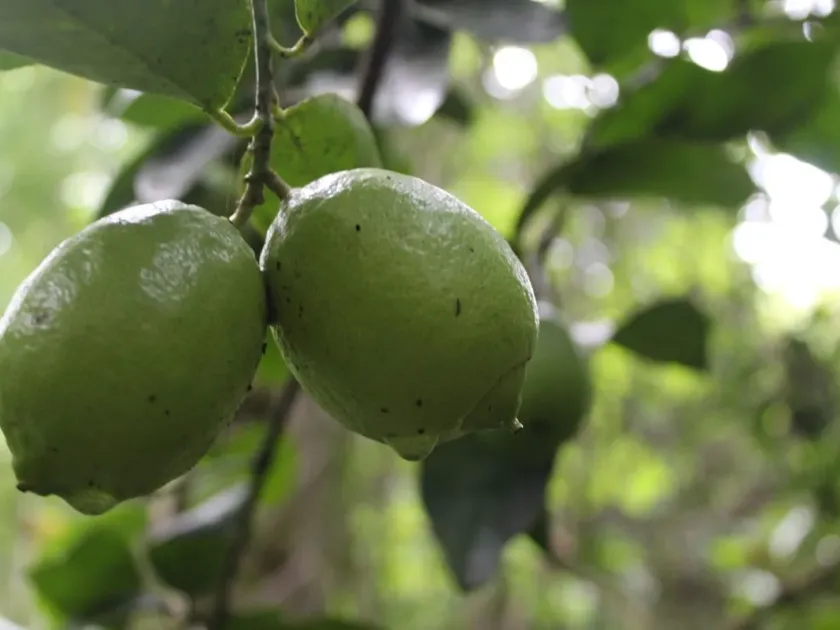
The fruits are large, oval-shaped, and possess a smooth green rind. Their seedless nature and aromatic profile make them highly sought after in the food and beverage industry.
Beyond culinary uses, the essential oils extracted from the peel are utilized in the perfume and cosmetic sectors for their refreshing and antiseptic properties.
Pruning is essential for maintaining a healthy structure. By opening up the canopy, growers allow better light penetration and air circulation, which directly impacts fruit size.
As the tree matures, its yielding capacity increases, provided that nutrition and irrigation schedules are followed consistently throughout the growing stages.
Main diseases and pests
Common pests affecting this crop include citrus whiteflies, scale insects, and spider mites. These pests can cause significant damage to foliage if not monitored regularly.
Diseases such as citrus tristeza virus and anthracnose represent major threats. These often manifest in humid conditions, necessitating strict orchard hygiene and pruning practices.
Effective pest management relies on a combination of cultural practices, such as pruning for aeration, and the application of targeted biological or chemical control agents.
Early identification of signs like yellowing leaves or spotted bark is critical. Growers should implement regular scouting to catch infestations before they spread across the orchard.
Maintaining a balanced plant diet is a preventive measure, as robust trees are inherently more resistant to opportunistic infections and pest attacks.
Harvesting
Harvesting is performed by hand when the fruits reach the desired size and exhibit the signature green color. Careful handling is required to prevent rind bruising.
Because the fruits are often used for fresh market consumption, they must be sorted and packed with care to ensure the final product meets market quality standards.
Proper post-harvest storage involves keeping the fruits in ventilated environments to maintain freshness and prevent the growth of mold or other post-harvest pathogens.
Since fruit maturation on a single tree is usually staggered, growers perform multiple selective harvests to ensure that only fully mature fruits are collected.
Storage temperature control is a key factor in extending the shelf life of the harvest, allowing producers to distribute the fruit over longer periods effectively.