
Bergamot
Citrus bergamia Risso & Poit.
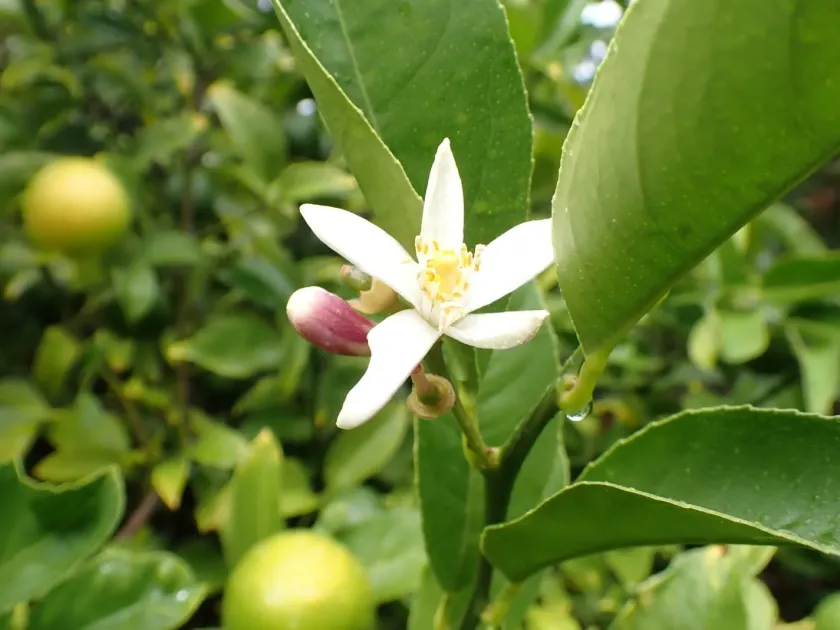
Description
Growing requirements
Bergamot (Citrus bergamia Risso & Poit.) is an evergreen subtropical tree belonging to the Rutaceae family. It is a natural hybrid, likely derived from the bitter orange and lemon, requiring specific ecological conditions for optimal growth.
The crop thrives in a Mediterranean climate characterized by mild, frost-free winters and warm summers. The optimal temperature range for active vegetative development is between +18°C and +28°C, as the plant is highly sensitive to extreme cold.
Soils must be well-drained, fertile, and slightly acidic or neutral. Bergamot cannot tolerate waterlogged conditions, which lead to root rot and nutrient uptake inhibition. Proper site selection involves elevated or sloped land to ensure drainage.
The tree requires full sunlight for photosynthesis and essential oil production. Protection from strong, drying winds is crucial, as mechanical damage to leaves and fruits can negatively affect the final yield and tree vigor.
Agronomic management includes a structured fertilization program rich in nitrogen, phosphorus, and potassium. Irrigation must be precise, adapting to seasonal changes to maintain stable soil moisture levels without causing saturation.
Yield
The economic value of bergamot is derived almost exclusively from its essential oil, extracted from the peel of the fruit. This oil is highly prized in the fragrance, cosmetic, and flavor industries, particularly for Earl Grey tea.
Commercial production is concentrated in the Calabria region of Italy, where the unique coastal microclimate ensures high oil quality. A mature tree can yield between 60 to 100 kg of fruit per season, depending on tree age and management.
Fruit is not consumed fresh due to its bitter, acidic taste. Processing involves cold pressing the rinds to extract the aromatic essence. The efficiency of the extraction depends on the fruit's ripeness and the absence of physical damage.
Yield management requires regular pruning to maintain a low, open crown structure, which facilitates airflow and ease of harvesting. This practice also helps in achieving uniform exposure to sunlight across the entire canopy.
The global market for bergamot oil remains stable and high-value. Growers focus on maximizing the concentration of linalool and linalyl acetate in the peels, which are the main indicators of product quality and economic profitability.
Main diseases and pests
Citrus bergamia is susceptible to various pests, including scale insects, mealybugs, and aphids. These sap-sucking insects weaken the tree and excrete honeydew, which fosters the growth of sooty mold, reducing photosynthetic activity.
Tristeza virus is a major threat, often transmitted by aphids or contaminated grafting materials. It causes root decline and tree death, making the use of virus-indexed, certified nursery stock a mandatory preventive measure.
Anthracnose, caused by fungi, affects leaves and branches during periods of high humidity. It manifests as dark, necrotic spots and requires prophylactic fungicide applications and sanitation of dead wood within the canopy.
Spider mites often attack the crop during hot and dry spells, causing chlorosis and leaf drop. Monitoring populations during the growing season is essential for timely intervention using acaricides or biological predators.
An integrated pest management (IPM) approach is standard, involving regular orchard monitoring, proper nutritional balance, and selective pruning to optimize ventilation. These measures reduce the reliance on intensive chemical interventions.
Harvesting
The harvest season for bergamot typically occurs between November and February. Timing is critical, as the chemical composition of the oil in the peel changes as the fruit matures from green to a bright lemon-yellow color.
Fruit must be harvested carefully by hand to avoid bruising the peel. Any damage to the rind leads to the loss of volatile aromatic compounds and increases the risk of fungal infections before processing.
Post-harvest logistics are vital; the fruit should be transported to processing facilities within 48 hours. Rapid processing minimizes degradation and ensures the highest quality essential oil profile for the market.
Crates used for transportation must provide adequate aeration to prevent the "sweating" of fruit, which leads to heat buildup and subsequent rot. Maintaining cool temperatures during transit preserves the freshness of the rinds.
Quality control at harvest involves sorting fruits by maturity and size. Only healthy, blemish-free fruits enter the extraction lines, ensuring that the resulting essential oil meets international purity standards and aromatic requirements.