
Meyer lemon
Citrus meyeri Yu. Tanaka
Description
Growing requirements
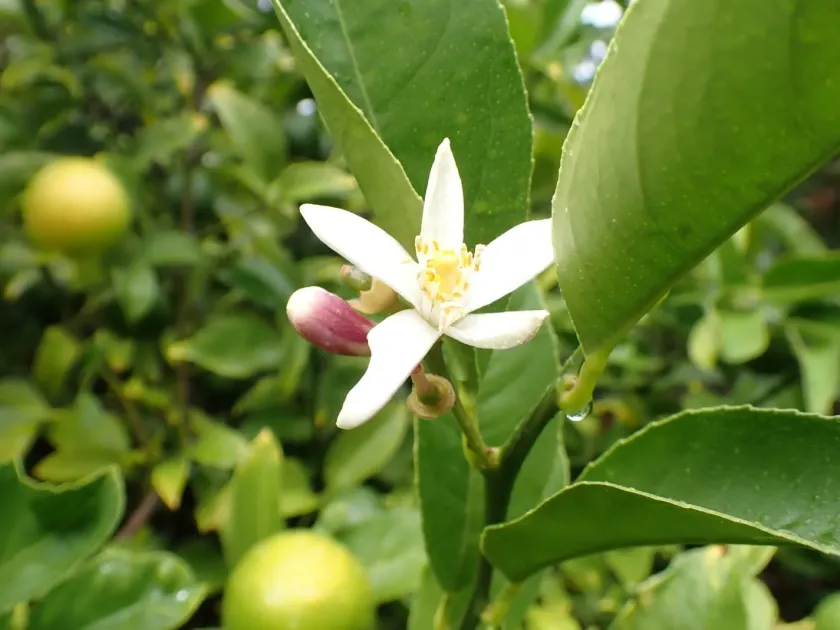
The Meyer lemon (Citrus meyeri) is a perennial evergreen shrub belonging to the Rutaceae family. It is widely recognized as a natural hybrid between a lemon and either an orange or a mandarin, resulting in a unique, sweeter flavor profile and thinner skin compared to commercial lemons.
Originating from China, the plant was introduced to Western horticulture by explorer Frank Meyer in the early 20th century. Since then, it has become a staple for gardeners in subtropical regions and as a decorative potted plant in temperate climates.
Meyer lemons thrive in bright, full sun conditions. When grown indoors, they require at least 8 to 10 hours of natural light or supplemental artificial grow lighting. Consistent temperatures between 18°C and 25°C are ideal for healthy growth and fruit production.
Soil requirements involve a well-draining, slightly acidic medium. Using a high-quality citrus potting mix enriched with organic matter is recommended. The container must have sufficient drainage holes to prevent water from accumulating around the roots, which can cause severe stress.
Consistent agricultural practices are vital for high yield. This includes regular fertilizing with nitrogen-rich citrus fertilizer throughout the growing season and periodic pruning to maintain a well-shaped, airy canopy that allows light penetration to the center of the tree.
Yield
The fruits are typically small to medium-sized, round in shape, and develop a distinct golden-orange hue when fully ripe. Because of their thinner skin and juicy, less acidic pulp, they are highly sought after by culinary professionals and home cooks alike.
Main diseases and pests
Meyer lemons are susceptible to common citrus pests, including spider mites, whiteflies, and scale insects, especially when kept indoors. Monitoring the underside of leaves for these pests and treating them early with neem oil or horticultural soaps is standard practice.
Pathogenic threats include citrus canker and root rot caused by overwatering. Ensuring good air circulation and avoiding excessively wet soil are the most effective ways to prevent fungal and bacterial infections in home garden settings.